



Article Abstract
- The M88 used Kugelfischer mechanical injection from the beginning — it was by no means a carburetor engine, and that system requires a specialist to service appropriately.
- The cooling system is the only largest reliability threat; a full coolant overhaul is the primary job on any unrefreshed instance.
- Pressured induction builds have exceeded 500 hp on the highway, backed by an M88/2 race lineage that pushed 900 hp in Group 5 trim.
There’s a specific type of reverence reserved for engines that arrive at precisely the appropriate second, do precisely what they promised, and don’t apologize for any of it. The BMW M88 is a kind of engines. It powered the M1 supercar, the first M5, and a handful of variants that now commerce for staggering cash at public sale — and the explanation isn’t simply nostalgia. The M88 is genuinely probably the greatest inline-six engines BMW ever constructed.
The S54 is superb. The S65 is a screamer. The S58 makes absurd energy. The M88 nonetheless belongs in that dialog, and never simply because it got here first.
What the M88 Truly Is
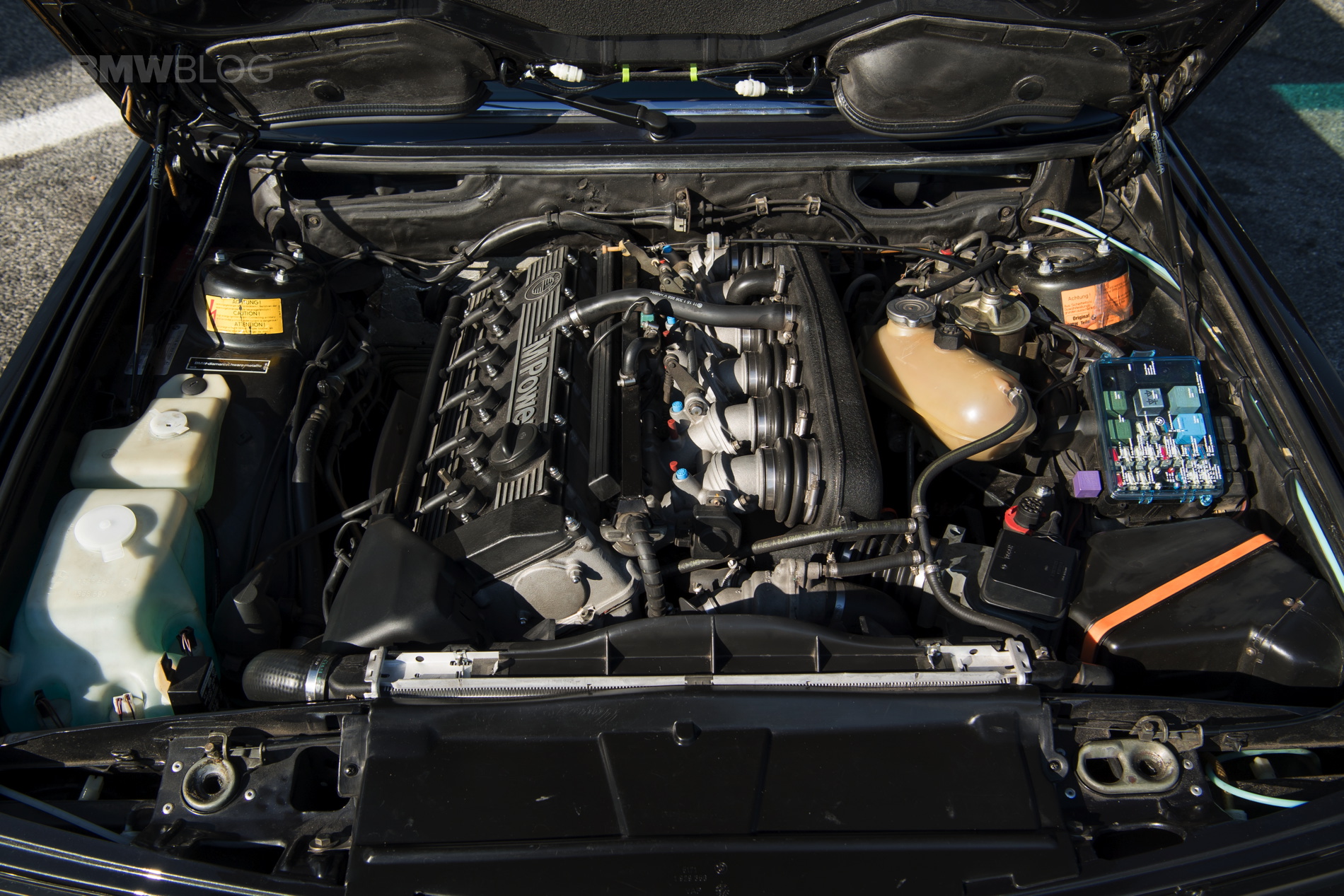
BMW developed the M88 within the mid-Nineteen Seventies primarily for motorsport, with its roots within the M49 — the DOHC inline-six that powered the three.0CSi racing automobiles of the early ’70s, itself descended from the M30 household. The M88 took that structure and turned nearly all the things that mattered into one thing else completely. The block is forged iron. The 24-valve DOHC head — with twin camshafts and 4 valves per cylinder — was a real rarity in manufacturing automobiles on the time. Displacement sits at 3,453cc.
One factor value getting straight instantly: the M88 was all the time fuel-injected. It used Kugelfischer mechanical injection with particular person throttle valves — by no means carburetors. The throttle response that system delivers is speedy in a approach that trendy drive-by-wire calibration doesn’t replicate, and the mechanical injection has its personal upkeep character, however it isn’t a carburetor engine.
The variant breakdown issues right here. The bottom M88, fitted to the M1, produced 277 hp (DIN) at 6,500 rpm. The M88/1 was the naturally aspirated Group 4 racing variant, pushing round 470 hp. The M88/2 was the Group 5 turbocharged racing engine — downsleeved to three,191cc to satisfy class laws, and producing as much as 900 hp in full race trim. The M88/3, fitted to the E28 M5 and E24 M635CSi, was probably the most developed highway model: 280 hp (210 kW) at 6,500 rpm and 340 Nm (250 lb-ft) at 4,500 rpm, with Bosch Motronic digital injection changing the Kugelfischer mechanical system.
Reliability: The Huge Image
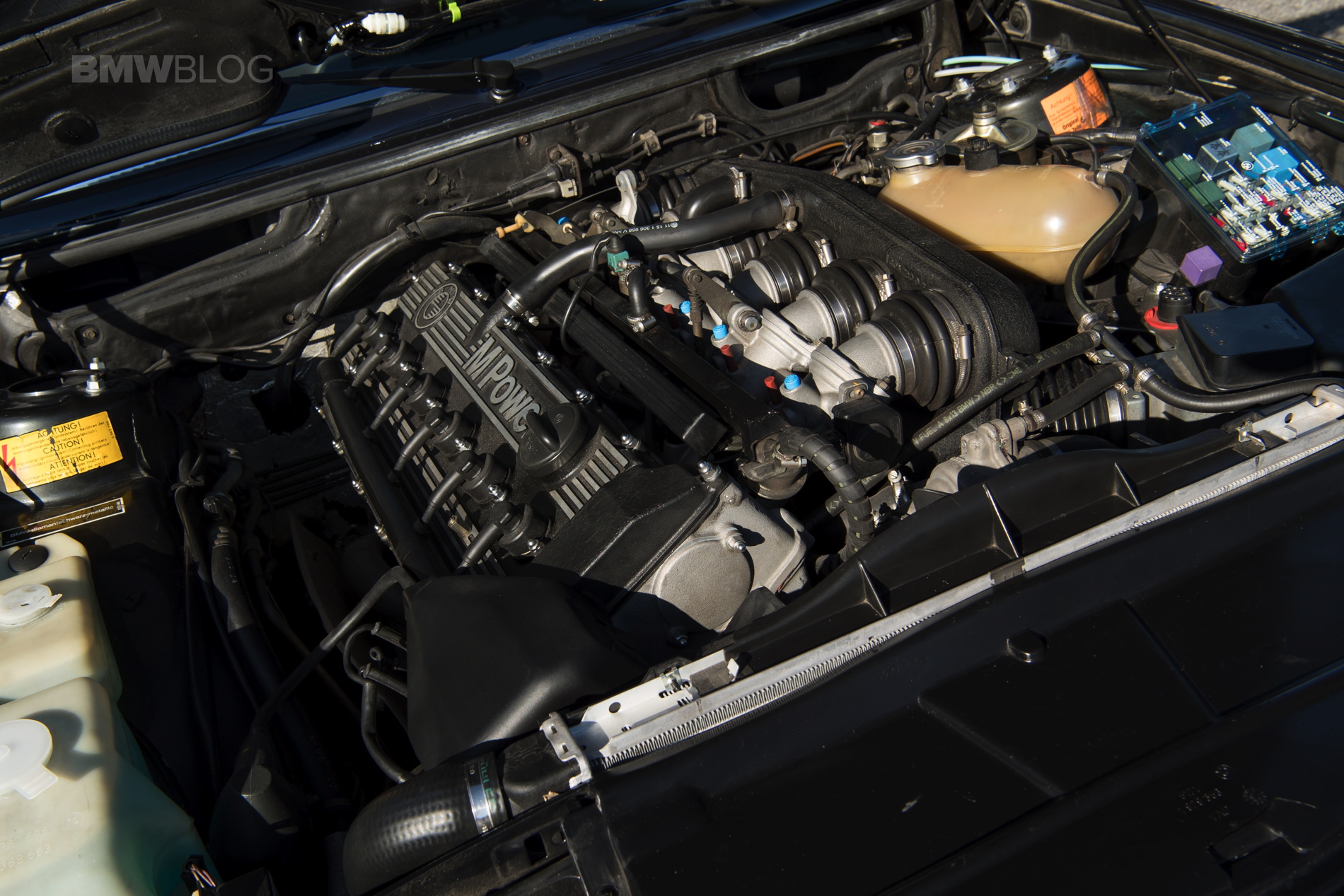
The M88’s status for reliability is nice — not bulletproof, however genuinely strong for a high-strung engine of its period. A number of issues are value understanding clearly.
The cooling system is the weak hyperlink
Begin with the cooling system, as a result of that’s the place most M88 tales go mistaken. The water pump, thermostat housing, and related hoses are all decades-old parts operating beneath thermal stress that was vital even when new. On any M88 that hasn’t been refreshed, these elements are on borrowed time. A coolant system overhaul isn’t optionally available upkeep on a survivor engine — it’s the very first thing you do. Overheating an M88 is how head gaskets fail, and head gasket jobs on the M88 usually are not low cost.
The valve prepare is a distinct story. The twin camshafts and valvetrain parts have been engineered to motorsport tolerances, and so they typically final. Bucket tappet clearances want periodic checking, however the camshafts themselves not often trigger issues when the engine has been maintained and run on high quality oil.
Oil consumption is regular — up to a degree
The M88 will drink some oil, and house owners who panic at something lower than zero consumption are going to drive themselves loopy. Modest consumption on a well-maintained instance is anticipated. What you don’t need is blue smoke beneath acceleration or a abruptly escalating charge, which factors to worn valve stem seals or rings.
The injection techniques: two completely different issues
The bottom M88 and M88/3 use completely different injection techniques — Kugelfischer mechanical on the previous, Bosch Motronic on the latter — and every has its personal upkeep rhythm. The Kugelfischer system is mechanically strong however requires a specialist who is aware of it; most trendy retailers don’t. On the M88/3, the Motronic is extra acquainted territory however the ECU and related parts are genuinely laborious and costly to supply now. Any M88/3 buy ought to embody a cautious verify of the injection system’s operation — not as a result of it fails typically, however as a result of fixing it when it does is a ache.
Backside line on reliability: deal with the cooling system critically, don’t skip oil modifications, and use the appropriate viscosity (BMW referred to as for 20W-50 in interval, and many homeowners keep on with that or a top quality 15W-50 artificial). An M88 that’s been maintained correctly can run a really very long time.
Effectivity
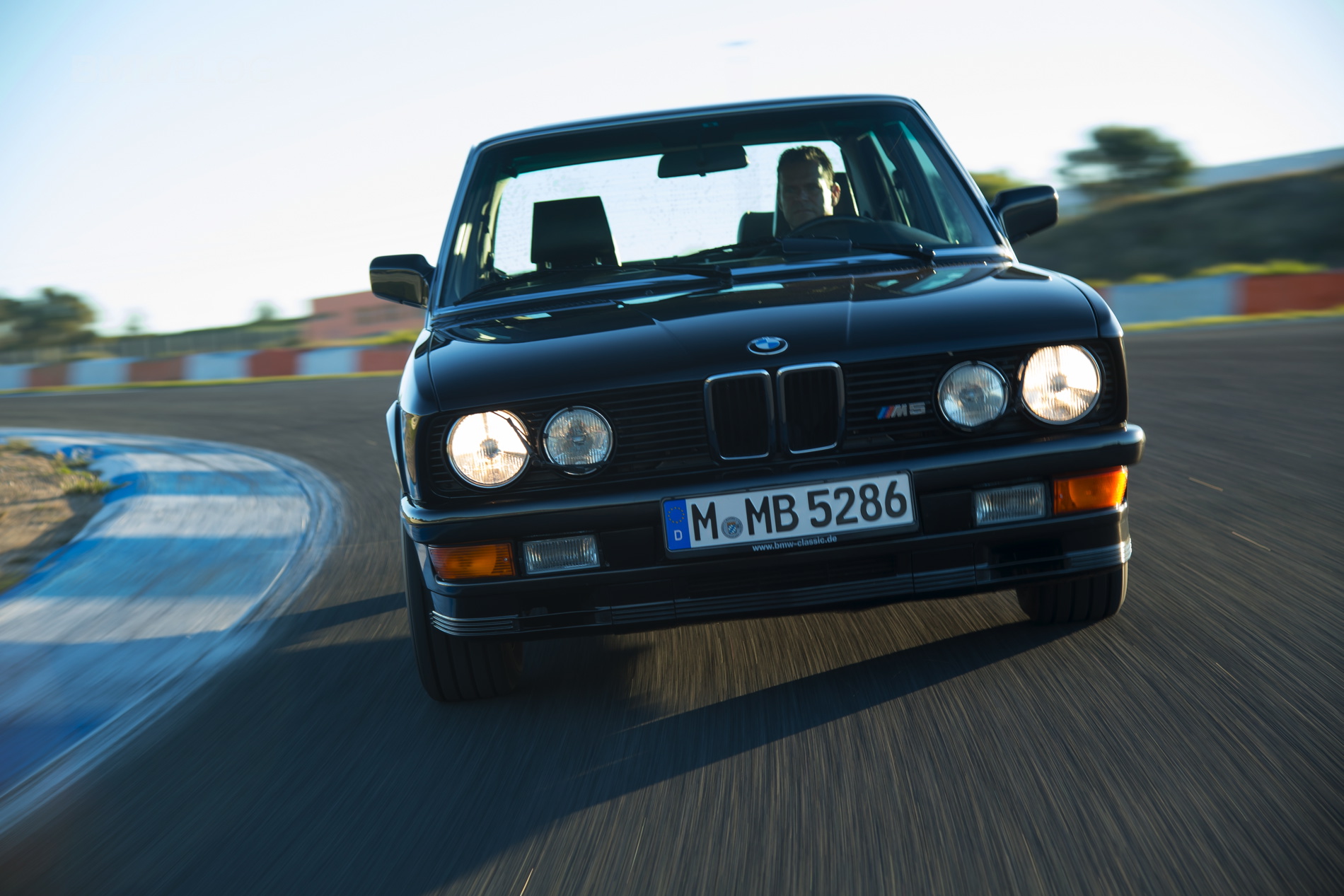
There’s no well mannered method to say this: the M88 shouldn’t be an environment friendly engine by any trendy measure. It was designed in an period when gasoline financial system was a secondary concern for a sports activities automotive utility, and it exhibits.
The M1 with its Kugelfischer mechanical injection returned roughly 10-14 mpg in regular driving. Fill the tank, get pleasure from 200 kilometers, fill the tank once more. The M88/3 within the E28 M5 did considerably higher — round 15-18 mpg on a European cycle — however you’re nonetheless watching that needle transfer sooner than you’d like on an extended motorway run. Six particular person throttle valves feeding 3.5 liters of high-compression displacement aren’t taken with financial system. Funds for gasoline as a recurring working value and cease occupied with it.
The one space the place the M88 punches above its period: the 24-valve head with its slender included valve angles made for genuinely good combustion effectivity, and BMW extracted respectable energy per liter for the late Nineteen Seventies. However that was about efficiency, not consumption. The objective was a high-revving highway engine derived from racing {hardware}. They acquired it.
Premium gasoline solely. The compression ratios and ignition timing are delicate to octane, and operating lower-grade gasoline is a dependable method to introduce detonation.
Tuning Potential

That is the place issues get fascinating — and the place the M88’s motorsport origins actually present.
The engine was designed from the begin to settle for vital energy will increase with out main surgical procedure. The block is stout, the top flows properly with minimal modification, and the underside finish can deal with considerably extra energy than the highway automobiles produced.
In naturally aspirated type, the M88 responds properly to the classics: porting and sprucing the top, higher-lift camshaft profiles, particular person throttle our bodies, and an upgraded exhaust. A well-built naturally aspirated M88 can attain 330-360 hp with out unique parts. The engine’s high-revving nature implies that cam timing and head work pay dividends extra instantly than they might on a torque-focused design.
Pressured induction is the place the facility ceiling strikes dramatically — and the M88/2’s 900 hp race historical past tells you the structure can take it. Street turbo builds have pushed M88-based engines previous 500 hp in drivable configurations. The block can accommodate this, although at these energy ranges the underside finish advantages from solid internals. The connecting rods are the primary element most severe builders substitute when chasing massive numbers.
The M88/3’s Bosch Motronic will be chipped, which opens up ignition and fueling changes with out swapping all the injection system. For gentle energy will increase (10-15%), a chip mixed with an exhaust improve is a clear, reversible path. For something extra aggressive, a standalone ECU or trendy injection conversion turns into the cleaner answer. Some builders substitute the Motronic completely — becoming a programmable ECU and trendy injectors, operating the engine on a full tune. You retain the M88’s mechanical character and achieve modern gasoline administration precision.
One factor value noting: the M88’s worth as a numbers-matching engine in collector automobiles is actual and rising. Earlier than modifying an accurate M1 or early M5 engine, it’s value contemplating whether or not preservation is the smarter long-term play. There’s a wholesome marketplace for well-maintained authentic examples, and a modified engine — even a well-modified one — modifications the dialog at resale.
A Place Cemented in BMW’s Historical past

The M88 occupies a particular place in BMW’s historical past: it’s the engine that proved the Motorsport GmbH division might construct one thing genuinely aggressive with the Italian and British sports activities automotive institution of the late Nineteen Seventies. The M1 wouldn’t have labored with out it.
If you wish to perceive what the M division was initially attempting to do — earlier than the turbos, earlier than the torque figures that require scientific notation, earlier than the lively differentials and launch management — the M88 is probably the most direct reply accessible.
