



Within the lengthy and complex historical past of BMW efficiency, Alpina has at all times occupied a singular area. It was by no means meant to chase lap occasions or dominate headlines. As a substitute, Alpina constructed its popularity on subtlety, torque, and an virtually obsessive concentrate on refinement. The consequence was a parallel efficiency universe that ran quietly alongside BMW M, typically misunderstood, often neglected, however deeply revered by those that knew.
It Began With a Carburetor
Alpina’s story begins within the early Nineteen Sixties, not with a automotive, however with an thought. Burkard Bovensiepen, the son of a German industrialist, developed a twin Weber carburetor conversion for the BMW 1500. It was a small modification with outsized influence. The improve labored so nicely that BMW honored the manufacturing unit guarantee on vehicles fitted with it, a rare vote of confidence on the time.
That second set all the pieces in movement. In 1965, Bovensiepen formally based Alpina in Buchloe, Bavaria, naming the corporate after his father’s former typewriter enterprise. What adopted was not a rush towards scale, however a cautious evolution pushed by engineering credibility.
Racing As Proof, Not Advertising and marketing
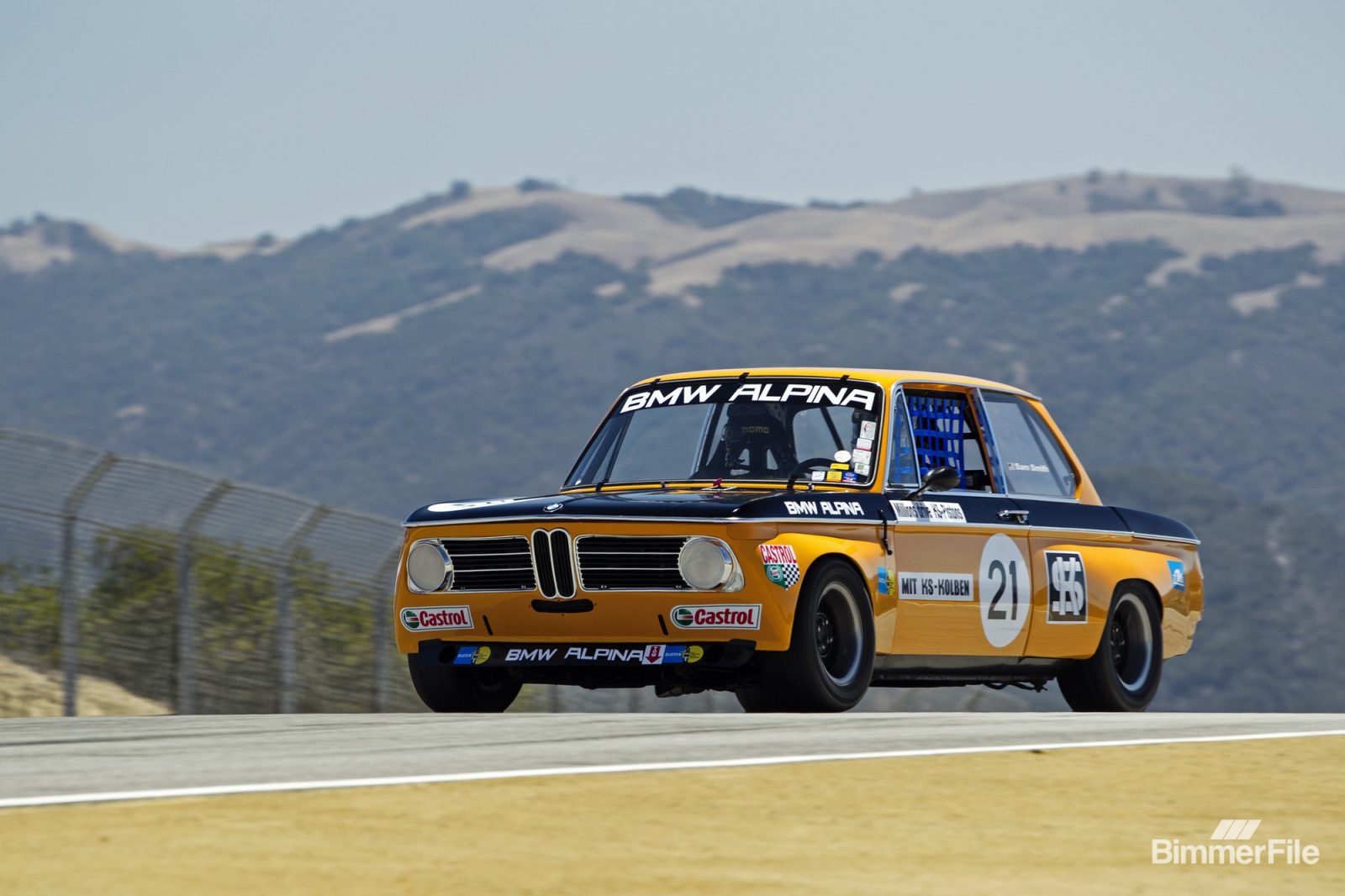
By the late Nineteen Sixties and Nineteen Seventies, Alpina established itself on Europe’s racetracks. Its BMW-based touring vehicles achieved important success within the European Touring Automotive Championship, endurance racing, and hill climbs. These victories had been by no means about spectacle. They had been validation.
Racing knowledgeable Alpina’s street vehicles, however by no means consumed them. The place BMW M leaned more and more towards motorsport homologation and high-rev drama, Alpina started refining a unique thought of efficiency. One rooted in torque supply, stability at velocity, and easy tempo over lengthy distances.
From Tuner to Producer
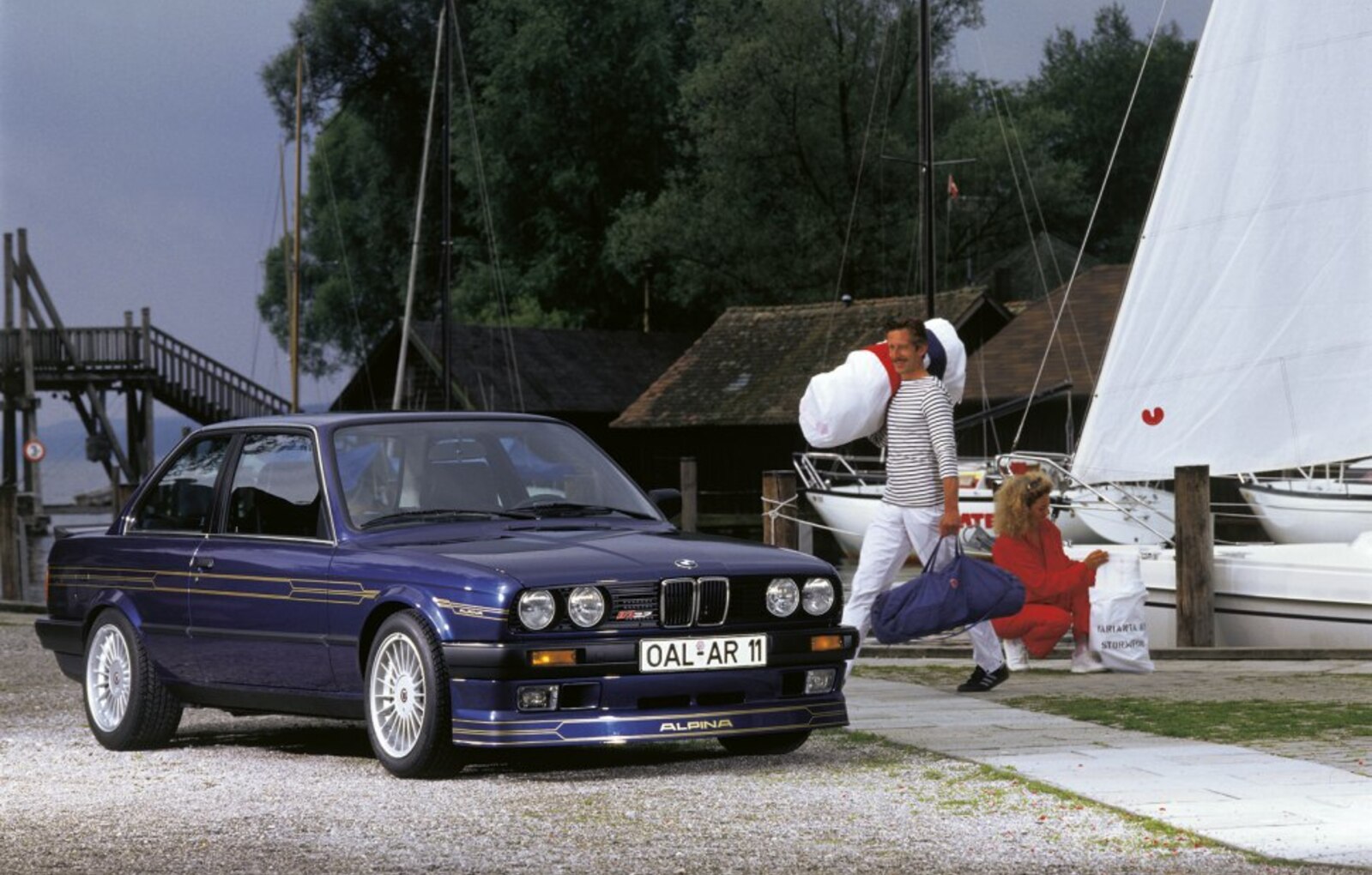
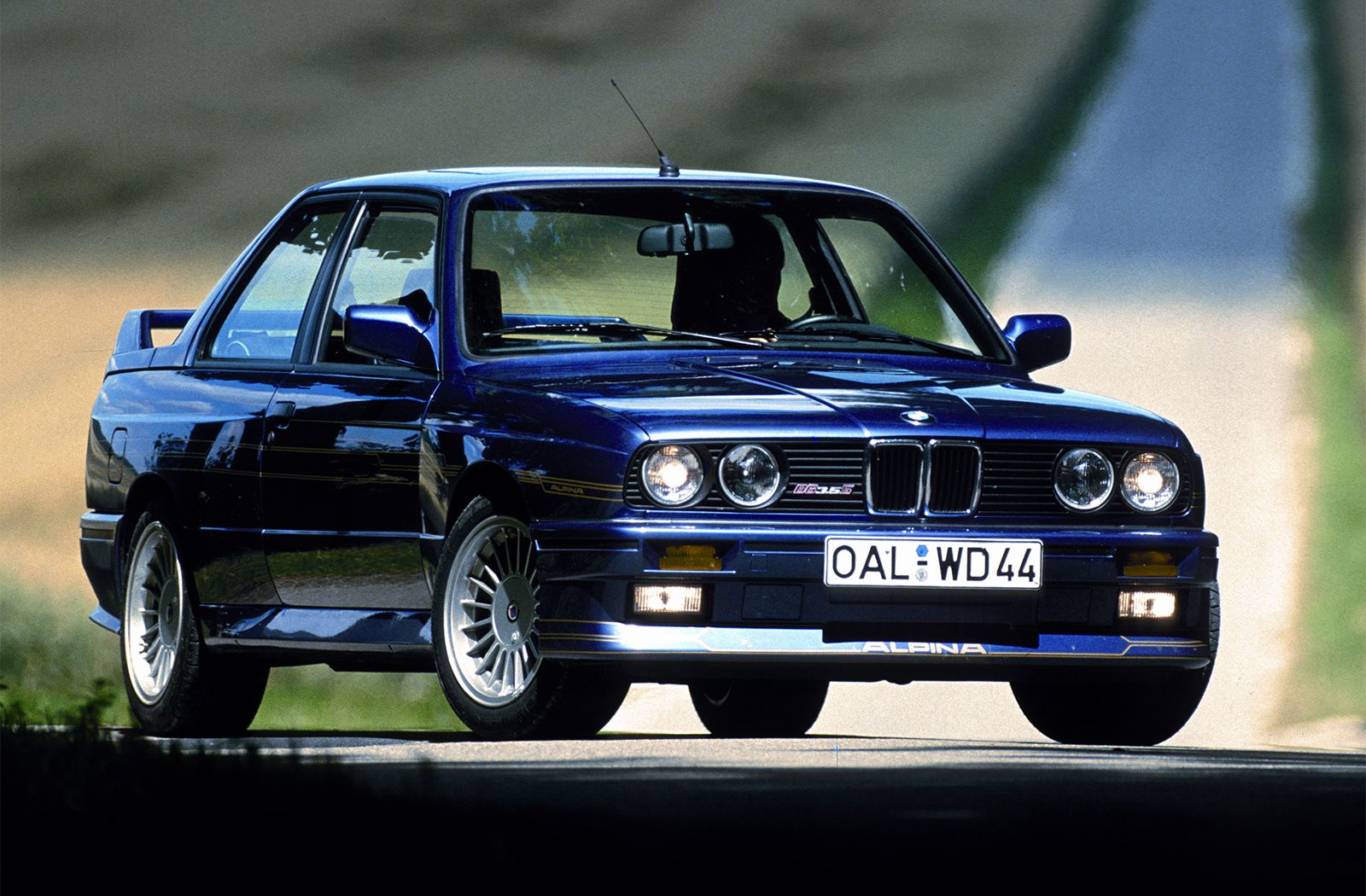
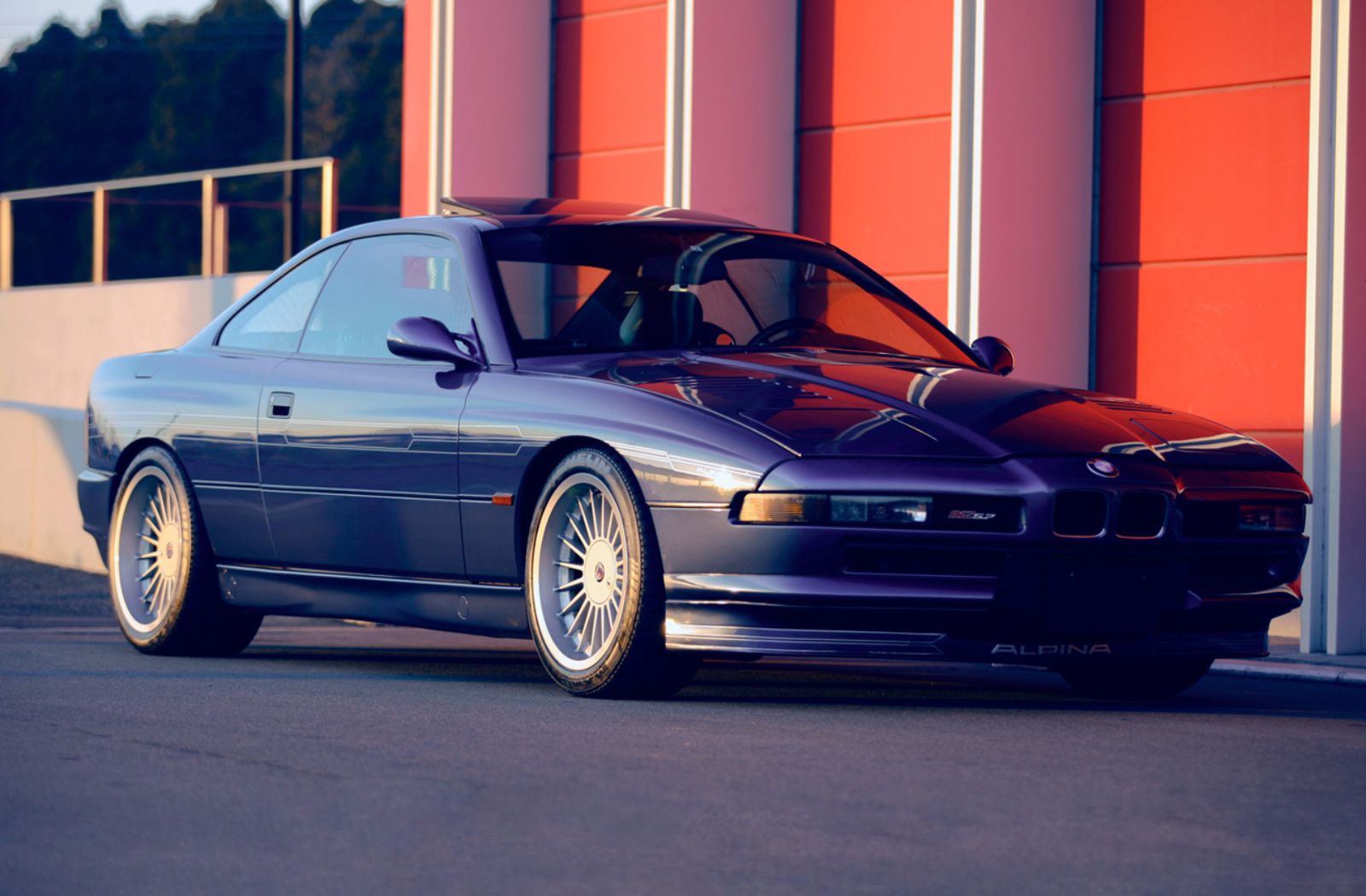
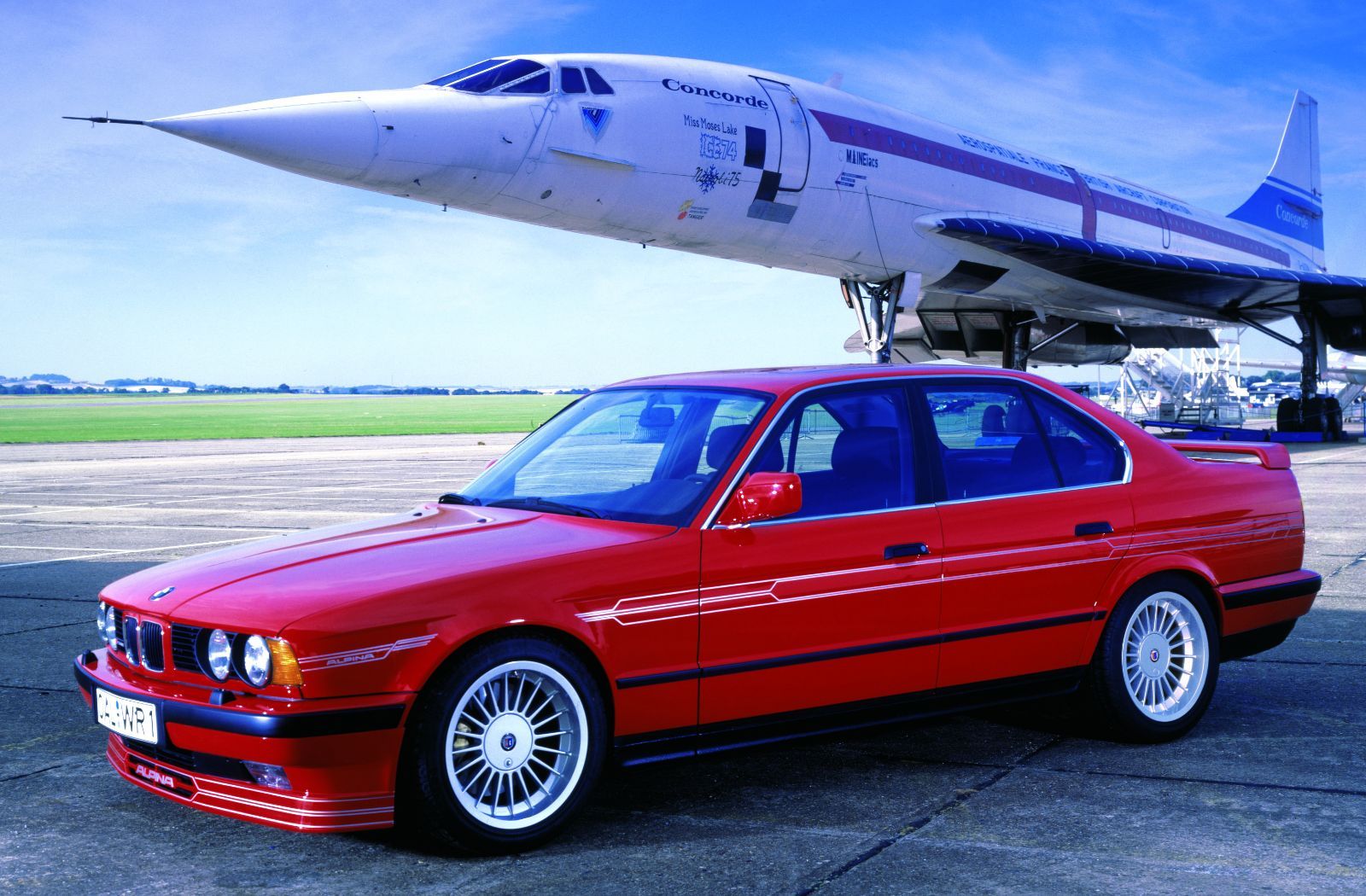
By the late Nineteen Seventies, Alpina crossed a important threshold. It stopped performing purely as a tuner and commenced producing full automobiles primarily based on BMW platforms. The Alpina B6 2.8 is broadly thought to be the primary true Alpina vehicle, not merely a modified BMW, however a automotive with its personal engineering identification.
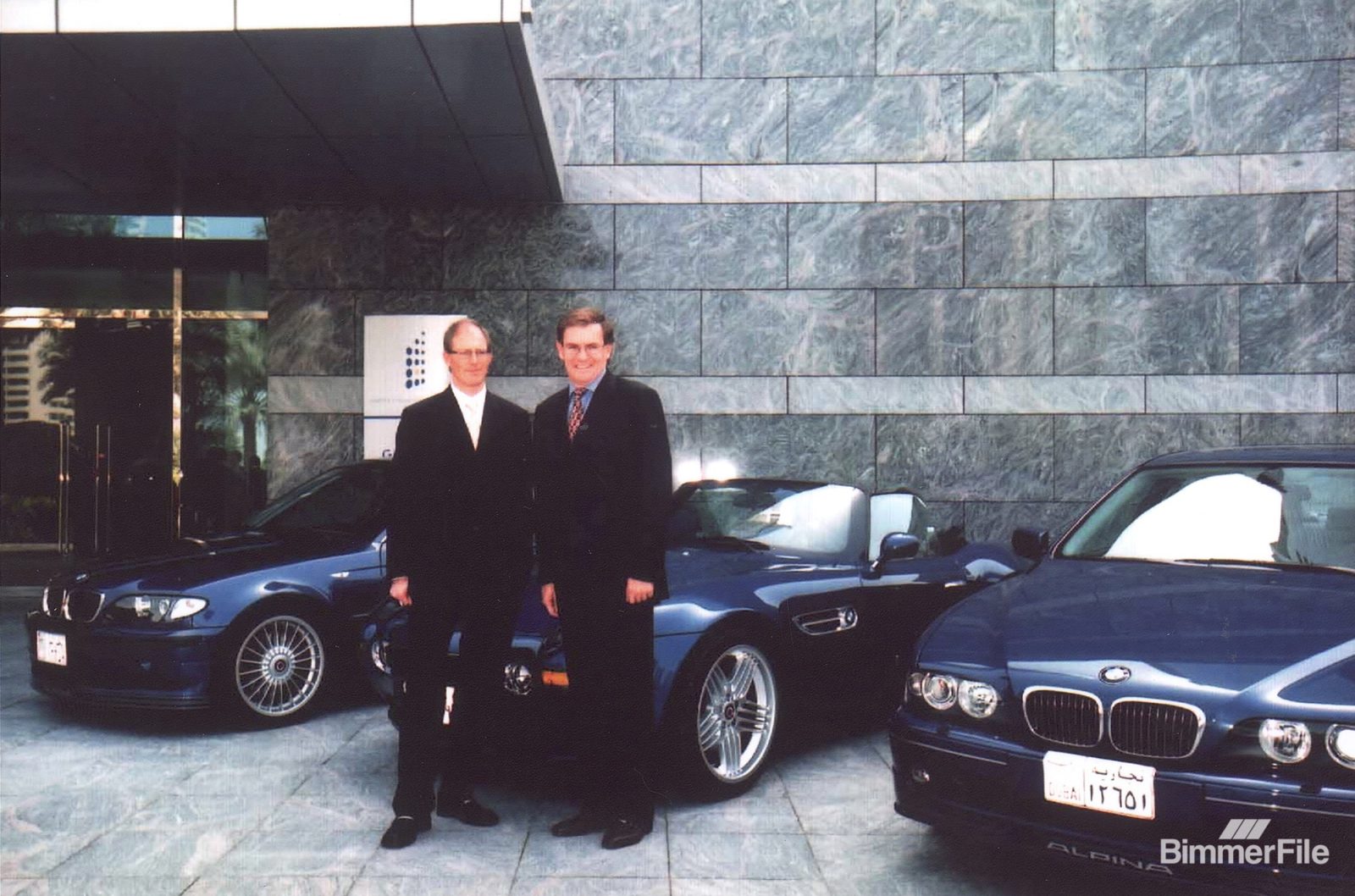
That shift grew to become official in 1983 when the German Federal Motor Transport Authority acknowledged Alpina as an unbiased vehicle producer. Alpina vehicles obtained their very own VINs and had been legally distinct from BMW fashions, despite the fact that they had been in-built shut cooperation with Munich.
This distinction issues. Alpina was not an aftermarket model. It was, and stays, one thing nearer to a boutique producer working inside BMW’s ecosystem.

A Totally different Definition of Efficiency
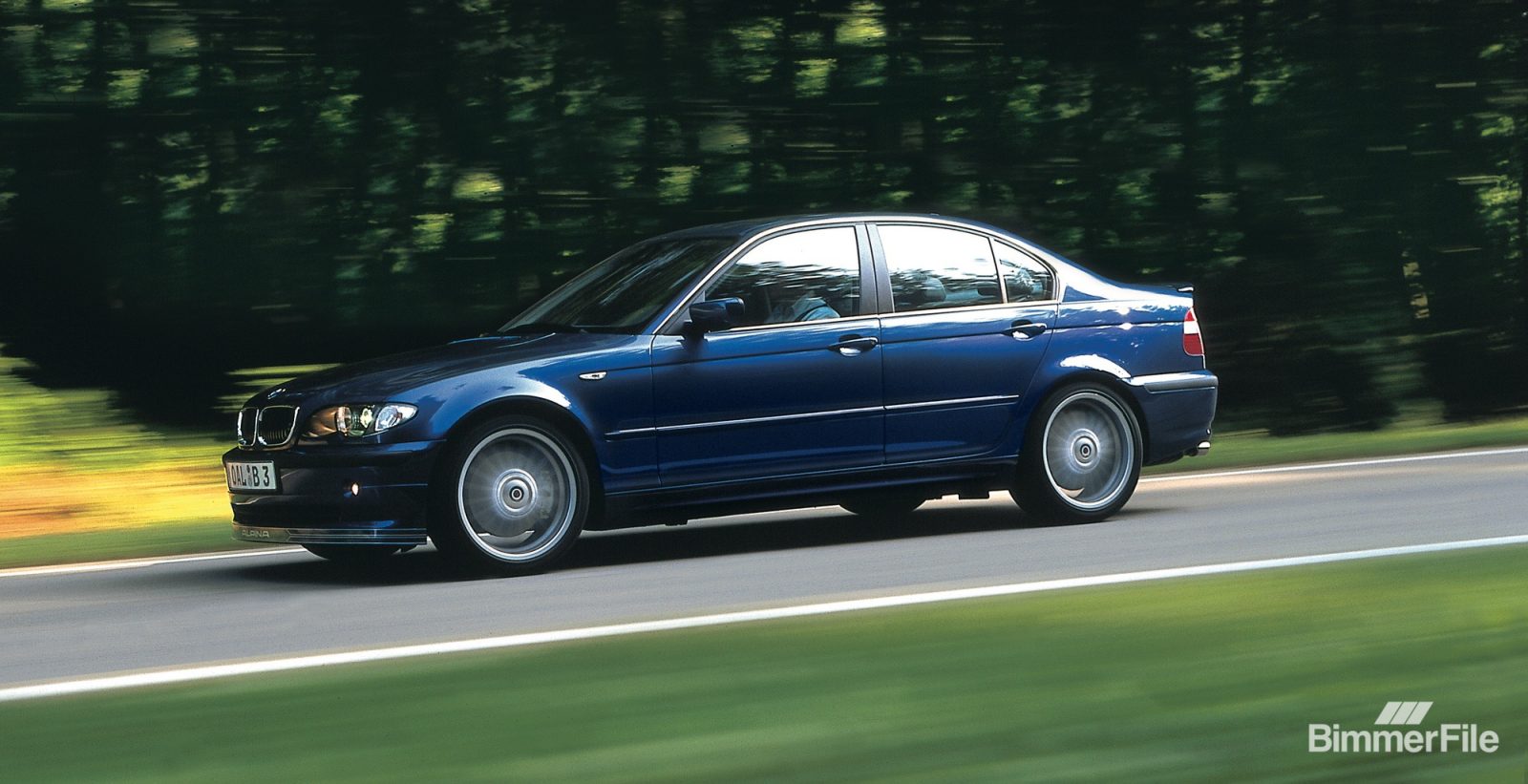
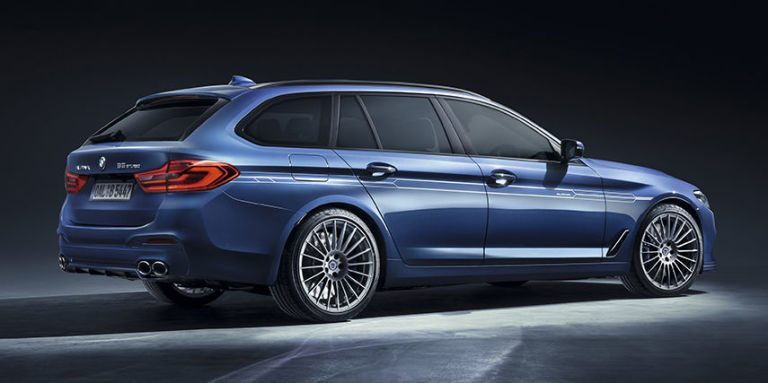
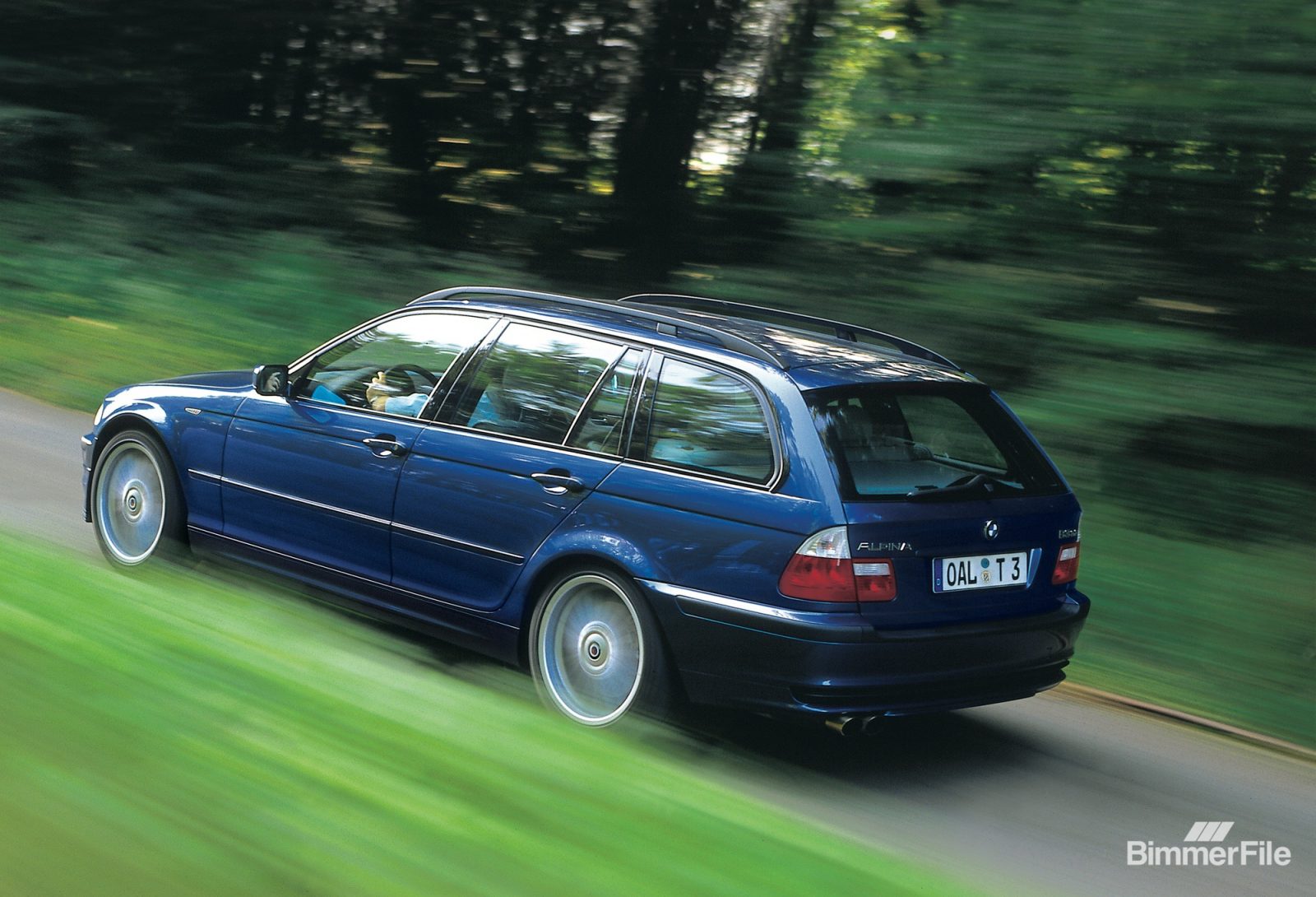
Alpina’s philosophy has at all times diverged from BMW M’s. M vehicles are about edge, aggression, and driver involvement. Alpinas are about composure, torque, and real-world velocity.
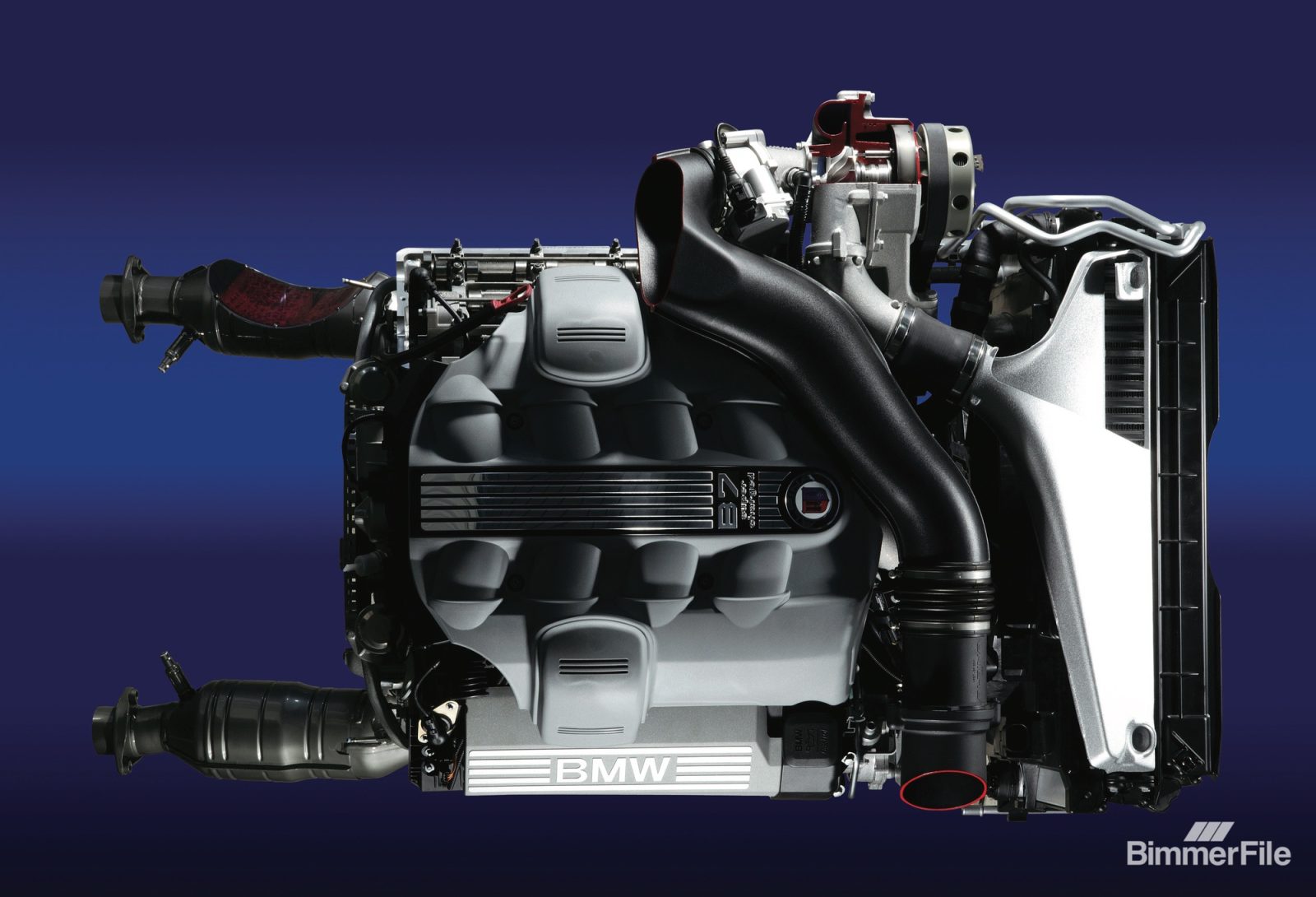
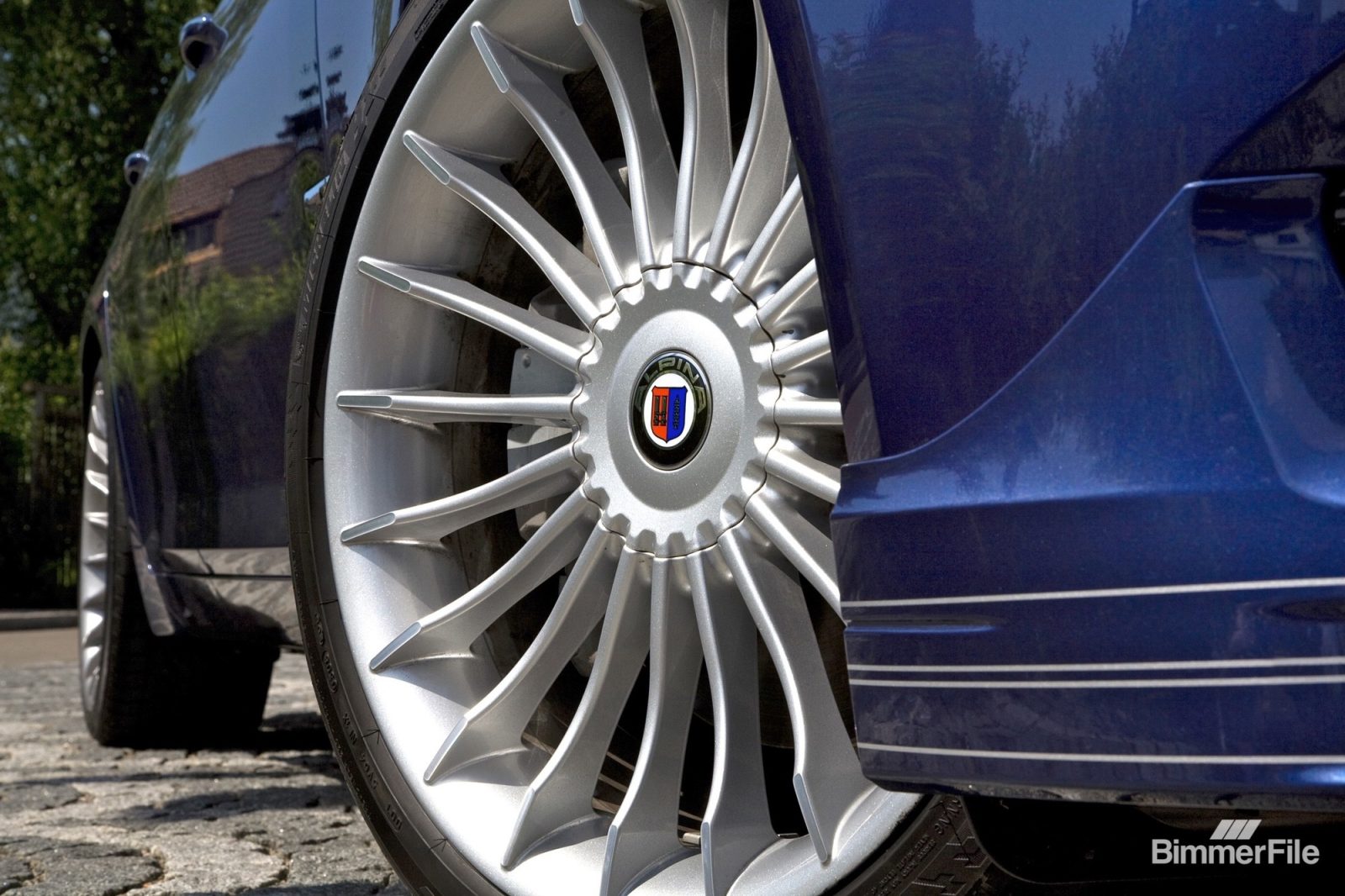
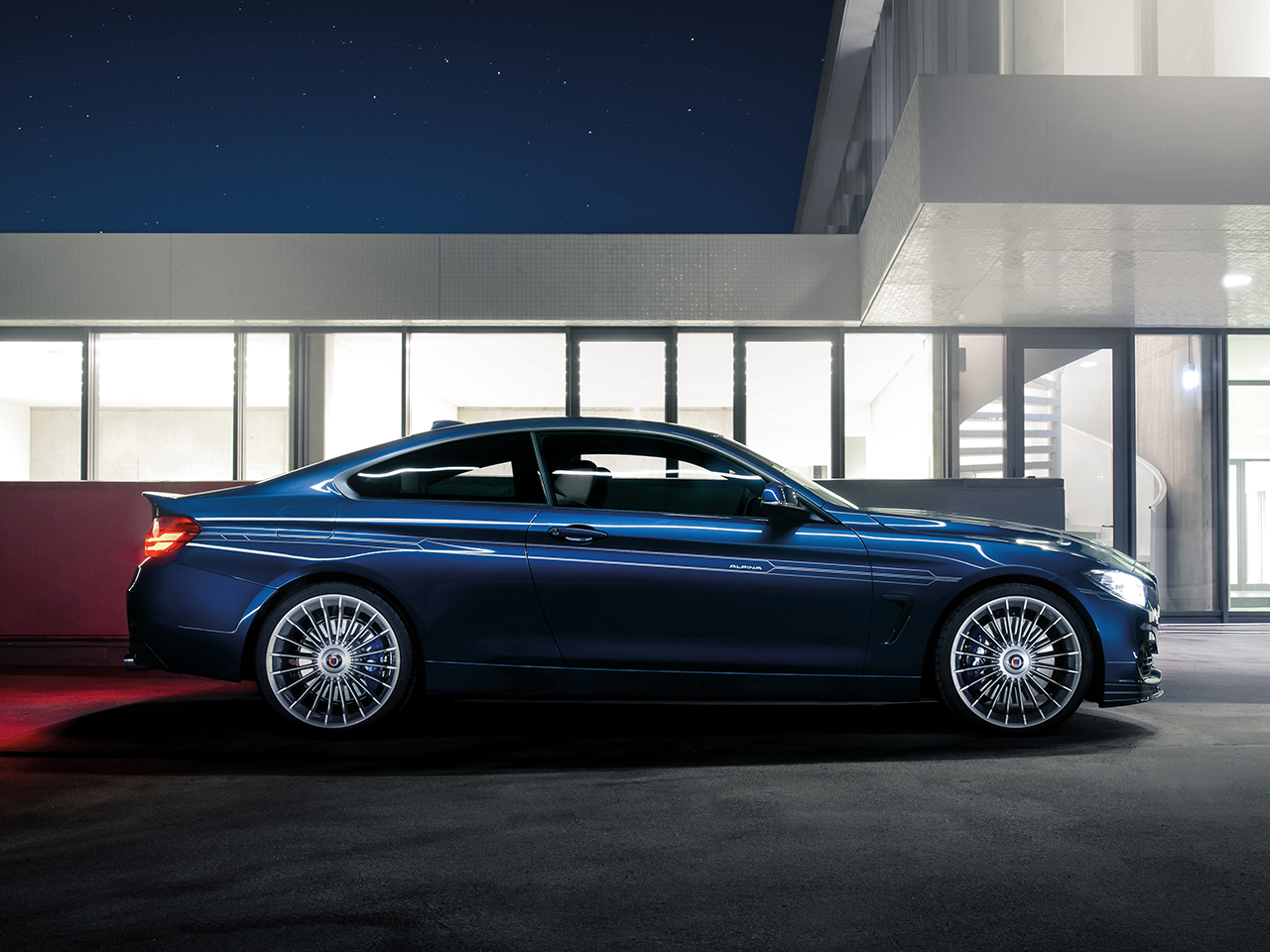
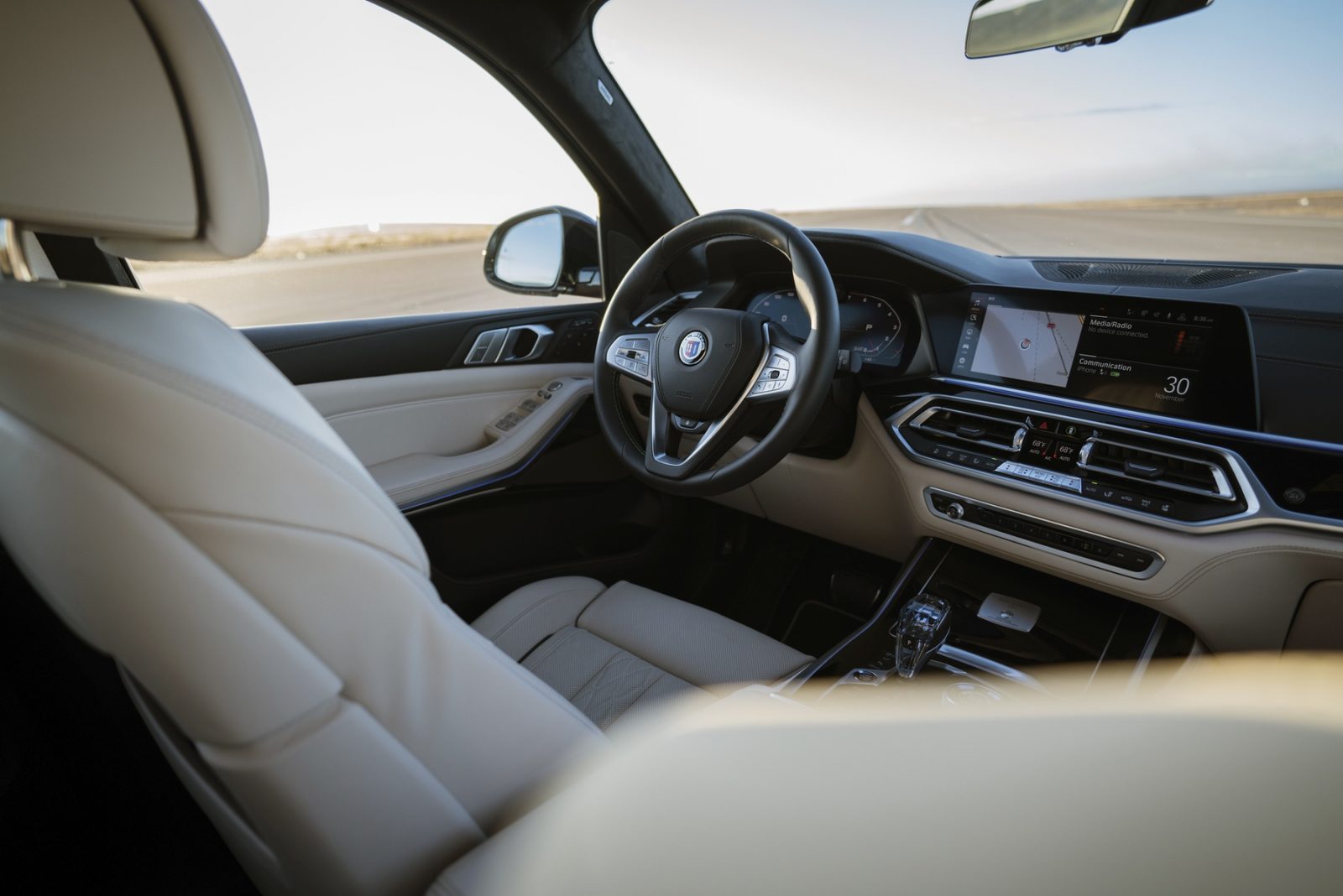
Somewhat than chasing peak horsepower figures, Alpina targeted on usable efficiency. Turbocharged engines had been tuned for broad torque curves. ZF computerized transmissions had been reworked with Alpina’s Swap-Tronic software program lengthy earlier than efficiency automatics had been trendy. Interiors featured Lavalina leather-based, pure wooden, and understated detailing that rewarded time spent behind the wheel somewhat than consideration in a parking zone.
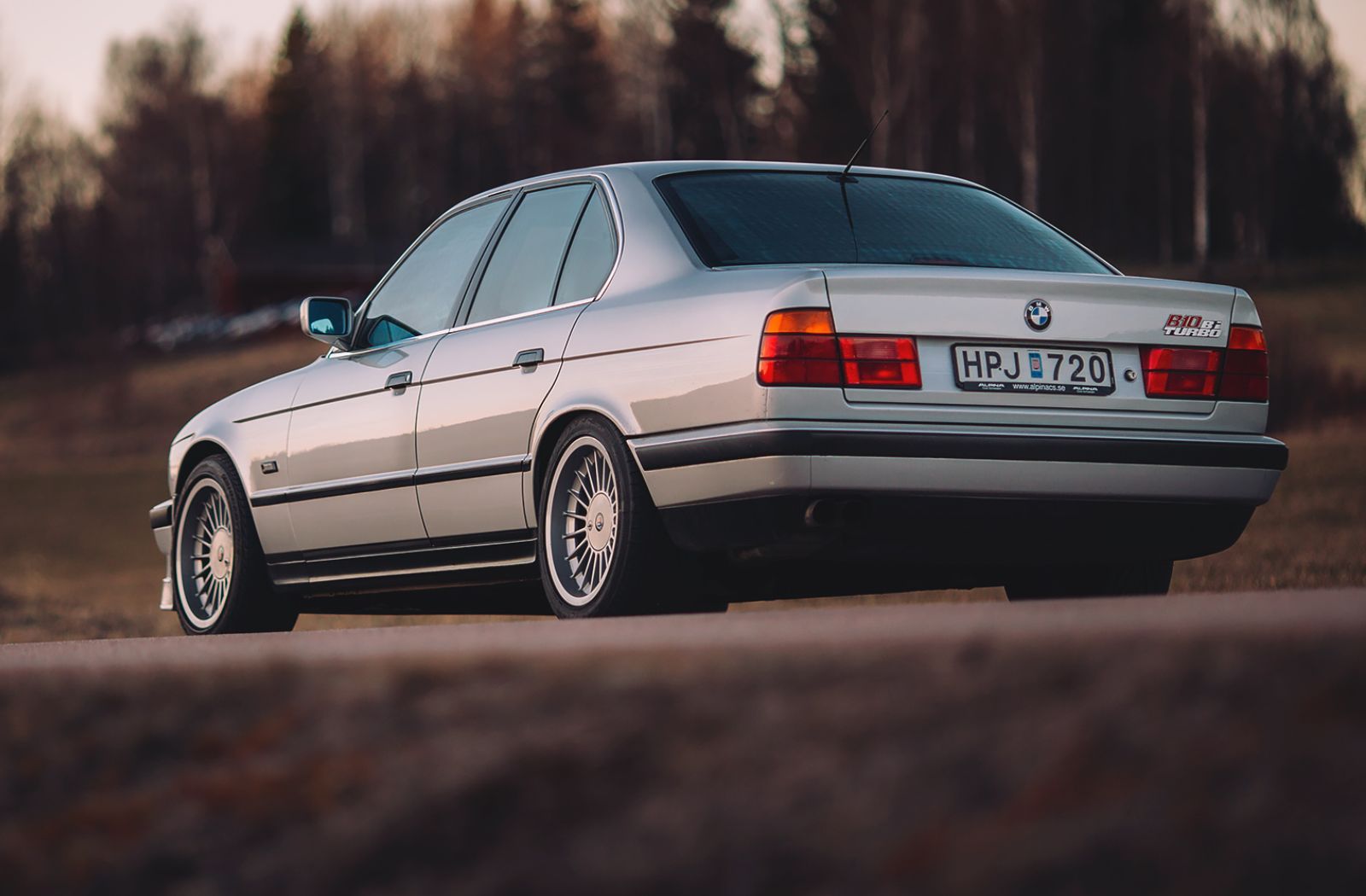
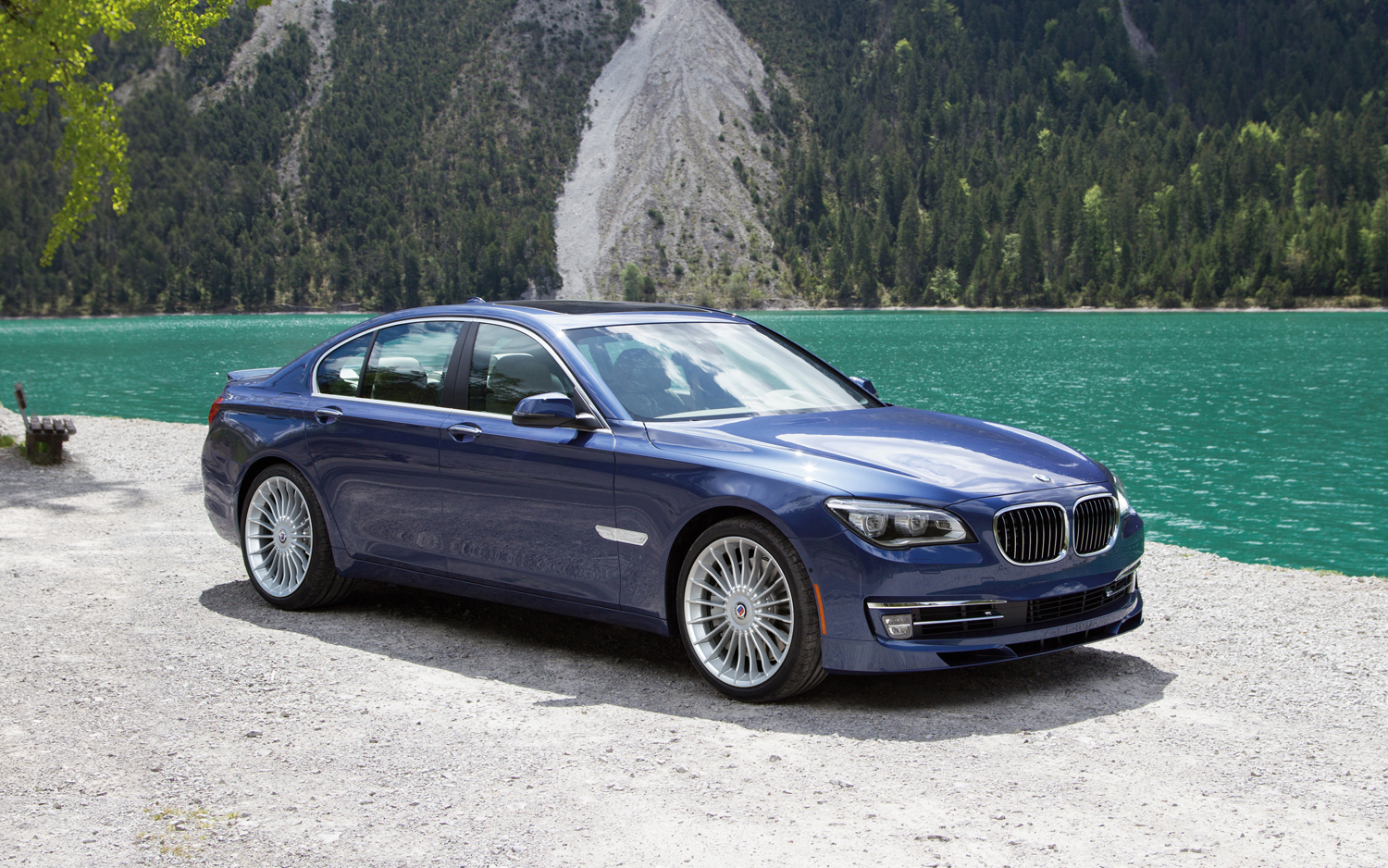
Vehicles just like the Alpina B10 Bi-Turbo and later the Alpina B7 embodied that ethos completely. They had been devastatingly quick when wanted, however by no means demanding. These had been vehicles constructed for crossing nations, not chasing apexes.



Innovation With a Goal
Alpina additionally pushed technical boundaries quietly. Within the Nineties, it launched an electrically heated metallic catalytic converter that dramatically decreased cold-start emissions, assembly regulatory requirements years forward of many rivals. This was typical Alpina. Remedy the issue, transfer on, don’t brag.
The identical utilized to manufacturing numbers. Alpina by no means chased quantity. Annual output remained small by design, reinforcing the sense that these had been vehicles constructed for individuals who knew precisely what they had been shopping for.
Why the Bovensiepen Household Bought Alpina and the Model’s Future
In 2022, BMW introduced it might purchase the Alpina model, with full integration deliberate for 2026. For some fanatics, the information felt like the tip of one thing particular. For others, it was the pure conclusion of a partnership that had existed for many years.
The Bovensiepen household’s resolution to promote Alpina was pushed much less by market demand and extra by regulation. Over the previous decade, EU emissions guidelines, security requirements, and software program necessities have grown much more advanced, putting an outsized burden on low-volume producers.




For an organization producing only some thousand vehicles per 12 months, growing a brand new mannequin grew to become more and more costly and tough to justify. Every technology required deeper integration with BMW methods, longer growth cycles, and better certification prices, all whereas margins narrowed.
Electrification intensified the problem. Battery compliance, high-voltage security, and software program validation demanded assets that may have pressured Alpina to both scale up dramatically or compromise its boutique method.
Promoting to BMW supplied a sensible different. It allowed Alpina’s philosophy to proceed inside a company able to absorbing regulatory complexity whereas preserving what made the model distinctive.

BMW has been cautious to place Alpina not as a substitute for M, however as a complementary providing. A special taste of efficiency. One constructed round luxurious, effortlessness, and maturity.
What which means in an electrified future stays to be seen. However Alpina’s historical past suggests adaptability has at all times been a part of its DNA.
Our Take
Alpina issues as a result of it proved there was multiple method to construct an amazing efficiency BMW. It confirmed that velocity doesn’t must shout. That luxurious and functionality can coexist. That engineering integrity may be extra compelling than spectacle. Frankly it’s a lesson that BMW can be taught in lots of its sequence vehicles.
As BMW strikes deeper right into a future formed by electrification and software program, Alpina’s legacy serves as a reminder. The perfect vehicles are usually not at all times the loudest or the quickest on paper. Typically, they’re those that really feel proper mile after mile.
