



Article Abstract
- The E30 M3 proved that clever engineering beats uncooked energy. Its 195 hp naturally aspirated 2.3-liter four-cylinder from a 1,200 kg chassis set the template for each M automotive that adopted.
- Dominating the WTCC, DTM, British Touring Automotive Championship, and 24 Hours of Spa, the E30 M3 was primarily unbeatable. In race trim, it produced as much as 360 hp—proving highway and race could possibly be one.
- Practically 18,000 highway automobiles bought. Jay Z gifted DJ Khaled one. Kith collaborated on a one-off. Goodwood featured it prominently. The E30 M3 transcended “traditional automotive” to turn into a real cultural artifact.
The BMW M3 E30 confirmed up in 1986 and principally modified all the things. It wasn’t the quickest automotive ever constructed, it didn’t have probably the most energy, and it definitely wasn’t probably the most refined. Nevertheless it was *the* automotive—the one which made everybody understand what BMW M was truly alleged to be about.
Right here’s what occurred: BMW M wanted a race automotive for the DTM, and the principles required a manufacturing model. As an alternative of simply dropping a race engine in an everyday 3 Sequence and calling it a day, they did one thing far more attention-grabbing. They constructed a highway automotive that was so laser-focused, so genuinely engineered from the bottom up as a efficiency machine, that it principally turned the template for each M automotive that adopted. Forty years later, we’re nonetheless measuring different automobiles in opposition to what the E30 M3 discovered.
Born in 1986
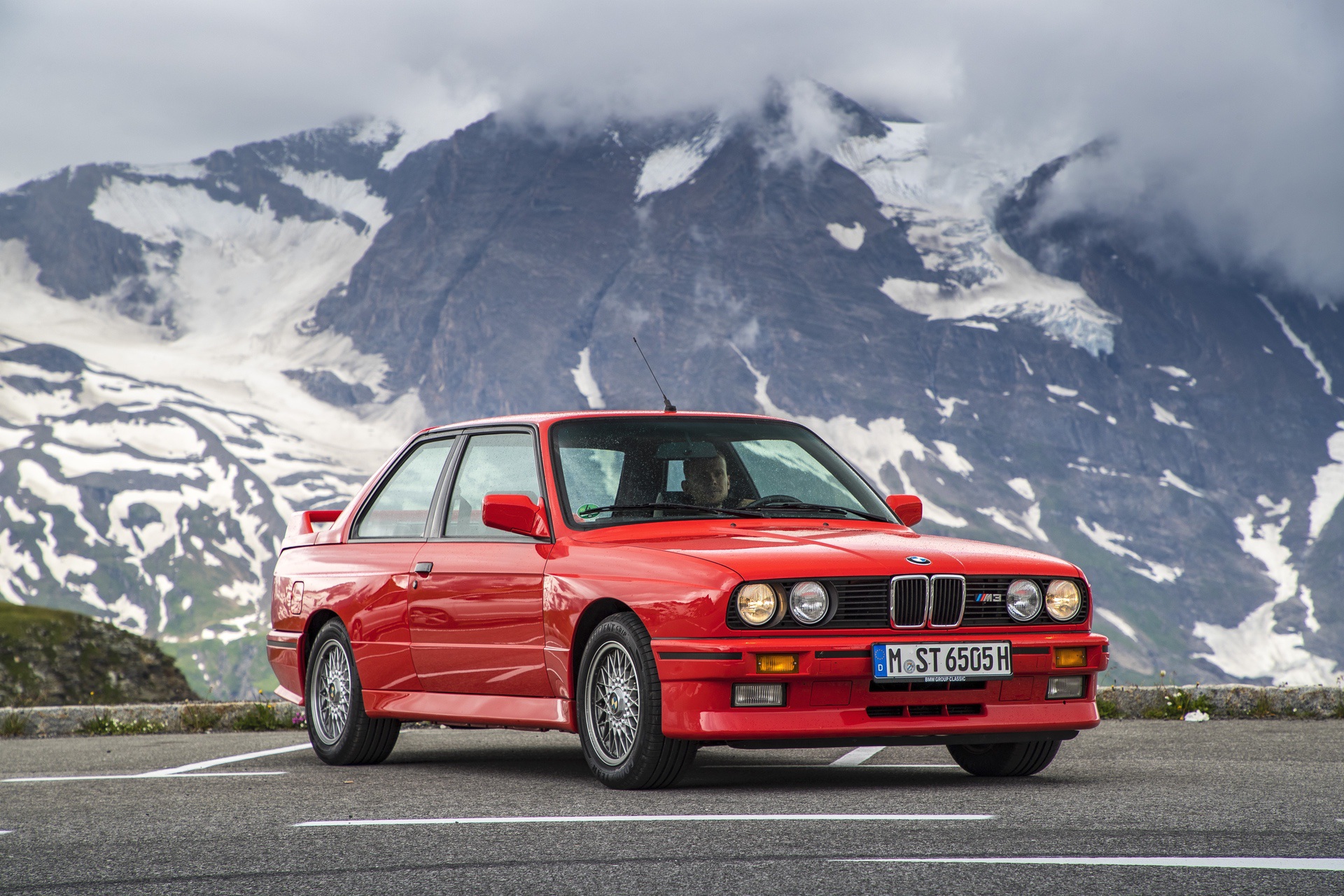
The E30 3 Sequence confirmed up in 1982 and was fairly good—handsome, fashionable, succesful. Nevertheless it didn’t have an M automotive. BMW had the M535i for the 5 Sequence, positive, however nothing that took all that racing data and caught it in a compact sedan the place common lovers may truly purchase one.
BMW M wanted a homologation automotive for racing—particularly for the World Touring Automotive Championship. Group A laws required a minimum of 5,000 road-legal items to be bought inside twelve months for homologation eligibility. So the engineers at M headquarters set to work on one thing radical: a light-weight chassis with a naturally aspirated 2.3-liter four-cylinder. The end result was a automotive that weighed simply over 1,200 kg, made 200 hp (195 with emissions tools), and principally rewrote the rulebook for compact sport sedans.
The two.3-liter model launched in 1986, that includes 16 valves and producing both 200 hp unregulated or 195 hp with catalytic converter. That engine turned iconic. And it nonetheless is. Beginning in 1988, BMW provided the M3 as a convertible variant alongside the coupe, proving the platform’s versatility whereas sustaining the identical engineering excellence.
The Engine That Modified Every thing

That is the place the E30 M3 will get attention-grabbing. That four-cylinder wasn’t simply highly effective for its time—it was a masterclass in extract all the things from a small displacement engine. The 2.3-liter S14 made 200 hp in its unregulated type, however when BMW added a catalytic converter for emissions compliance, it dropped to 195 hp. Unbiased consumption and exhaust cam timing, 16 valves with titanium valve springs, cast pistons—all of it sounds technical till you truly drive the factor.
At 6,750 rpm, the motor sang with a mechanical, unapologetic noise that fashionable turbocharged automobiles merely can’t replicate. The ability got here on urgently after 4,500 rpm and saved constructing all the best way to the limiter. Zero to 100 km/h got here in 6.7 seconds with a prime pace of 235 km/h.
195 hp out of two.3 liters naturally aspirated. Fashionable drivers take a look at that quantity and shrug. Drive an E30 M3 and also you perceive why lovers nonetheless speak about this automotive prefer it’s a faith.
The Evo Revolution
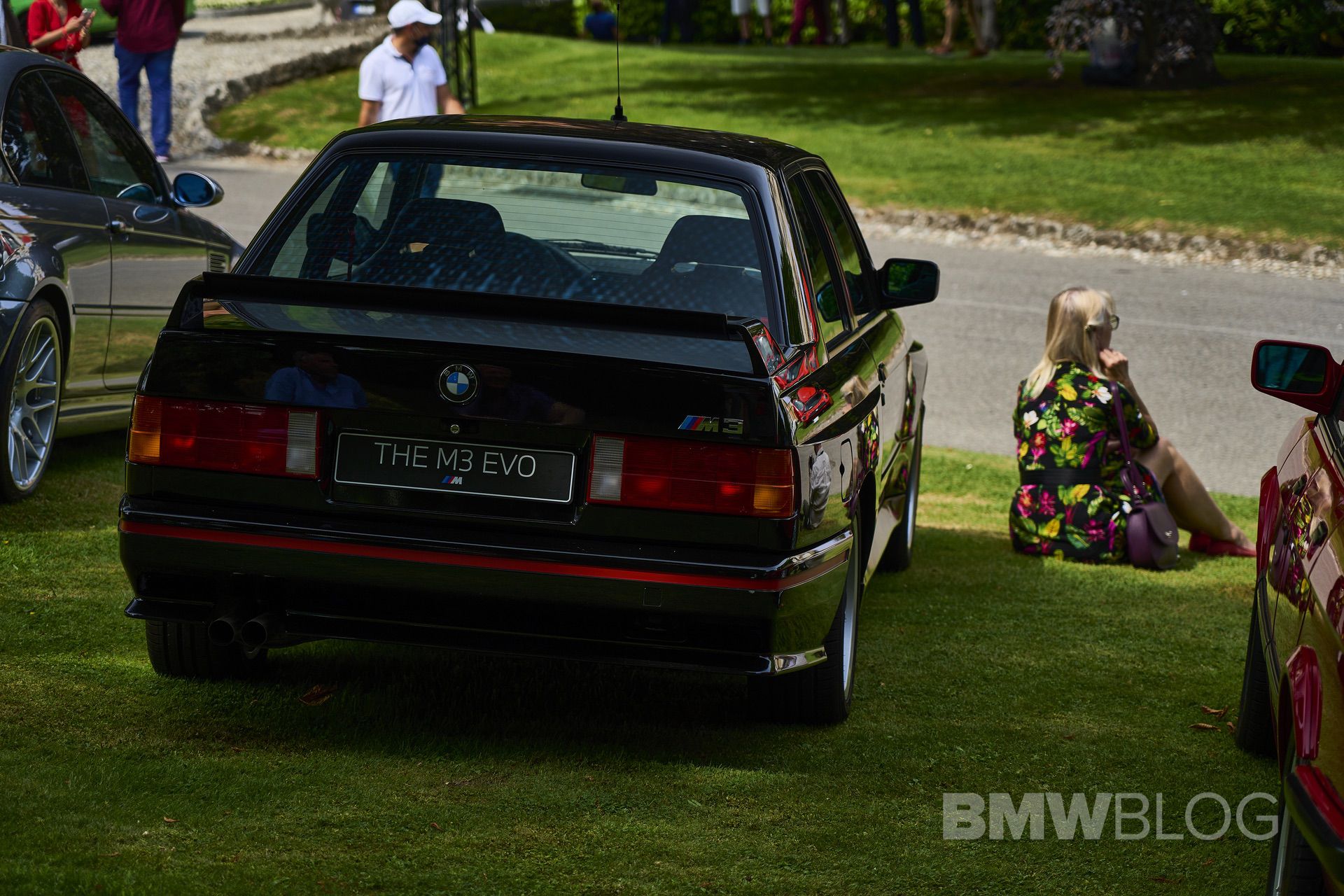
Because the M3 advanced, the engine grew with it. In 1987, the Evolution variant arrived with 215 hp. By 1988, the Evolution II pushed to 220 hp. The ultimate evolution got here in 1990 with the Sport Evolution—a 2.5-liter delivering 238 hp, making it probably the most highly effective road-going E30 M3 ever constructed. Solely 600 of those have been produced, which is why they command severe cash in the present day. Extra energy? Clearly. Extra accessible energy supply beneath 4,000 rpm? Completely.
The Touring Automotive Dominance Everybody Forgets About
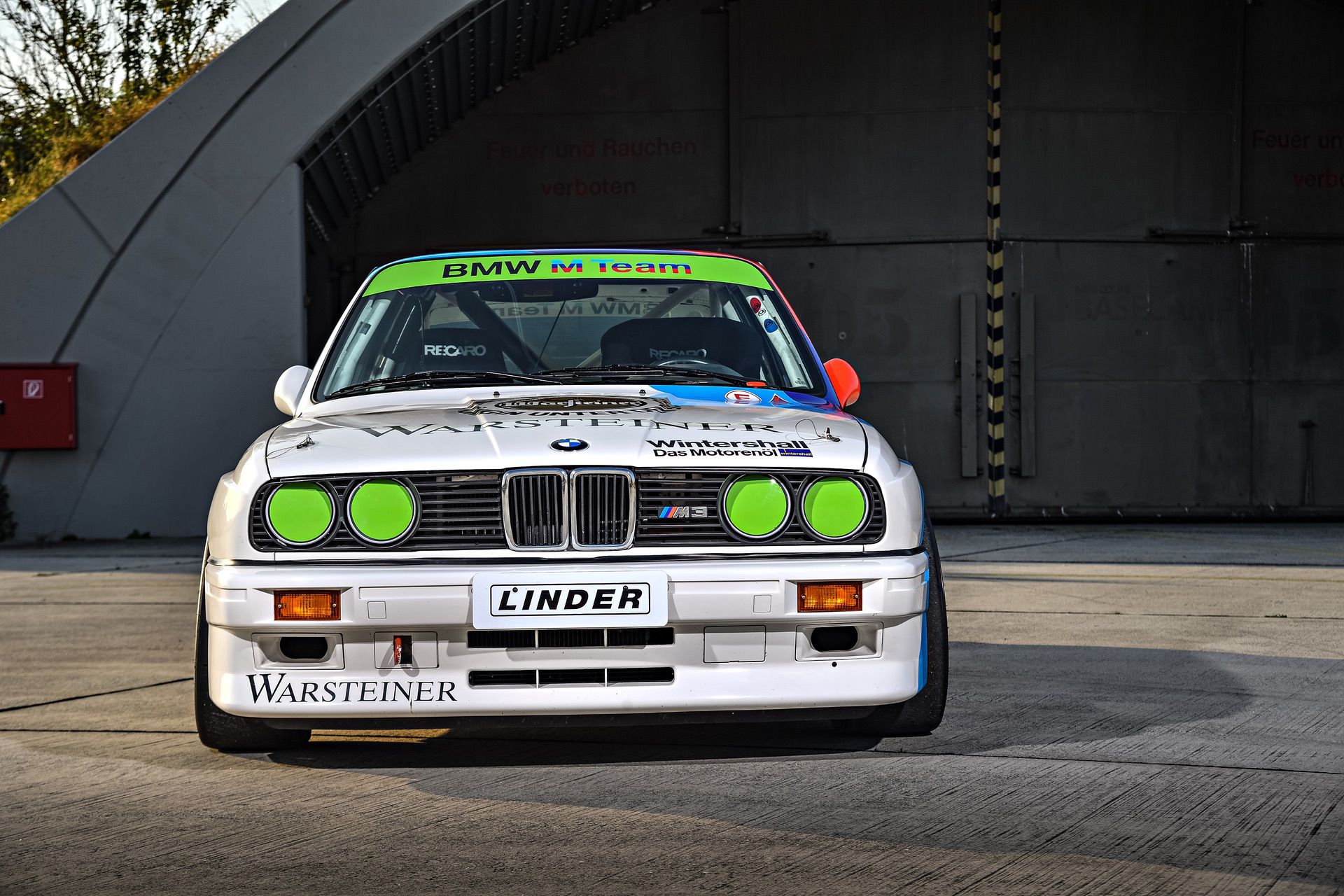
Right here’s one thing vital: on the racetrack, the E30 M3 was primarily untouchable. Not in some nostalgic, “it was superb again then” manner—we imply genuinely aggressive in opposition to a lot larger-engined rivals. The Deutsche Tourenwagen Meisterschaft noticed the M3 dominate for years. The British Touring Automotive Championship? M3s gained there too. Group A racing? Aggressive. The explanation wasn’t simply engineering genius (although it was that). It was that BMW M took all the things they discovered on the racetrack and put it instantly into the highway automotive.
The suspension geometry wasn’t a highway compromise with racing bits—it was a racing setup tailored for the road. The brakes have been race-spec Brembo methods. The transmission ratios mirrored DTM priorities. The differential settings matched what they wanted on monitor. Each single element fed into one philosophy: make it work on monitor first, then make it work on the highway. Or as they might say in America: Race on Sunday, promote on Monday.
The Chassis: What Made the Distinction

The E30 M3 chassis was forward of its time. Totally unbiased double-wishbone suspension entrance and rear, fastidiously tuned spring charges, damping that saved you linked to what the tires have been truly doing. And the steering—mechanical, unassisted, hydraulic-free in early examples. No energy steering masking what was taking place on the entrance tires. The motive force obtained unfiltered suggestions about grip ranges, floor circumstances, how a lot turn-in the automotive would truly settle for.
Weight distribution was almost excellent 50/50 front-to-rear. The gasoline tank held simply 63 liters—intentionally small to save lots of weight, even when it meant common fillups on a highway journey. Every thing was engineered towards a singular goal: make it mild, make it balanced, make it responsive.
The Convertible: Increasing the Imaginative and prescient

Beginning in 1988, BMW M proved the E30 M3 platform may deal with open-air driving with out compromising the engineering. The M3 Convertible arrived with the identical dedication to efficiency—strengthened chassis, the identical suspension geometry, similar energy supply.
Early convertible examples made 195 hp, whereas later variants obtained the 215 hp Evolution engine, making them each bit as succesful as their coupe counterparts. The convertible added a unique dimension to the driving expertise—the mechanical suggestions remained similar, however now you bought the sensory overload of engine word, wind noise, and highway vibration all of sudden. For drivers who needed all the things the E30 M3 provided however with the sky eliminated, it was the right reply.
The convertible remained unique to European markets and by no means made it to america, including to its collectibility in the present day. Discovering a well-preserved M3 Convertible is more and more troublesome, and lovers acknowledge them as equally vital members of the E30 M3 household.
The Sport Evolution: The Last Assertion
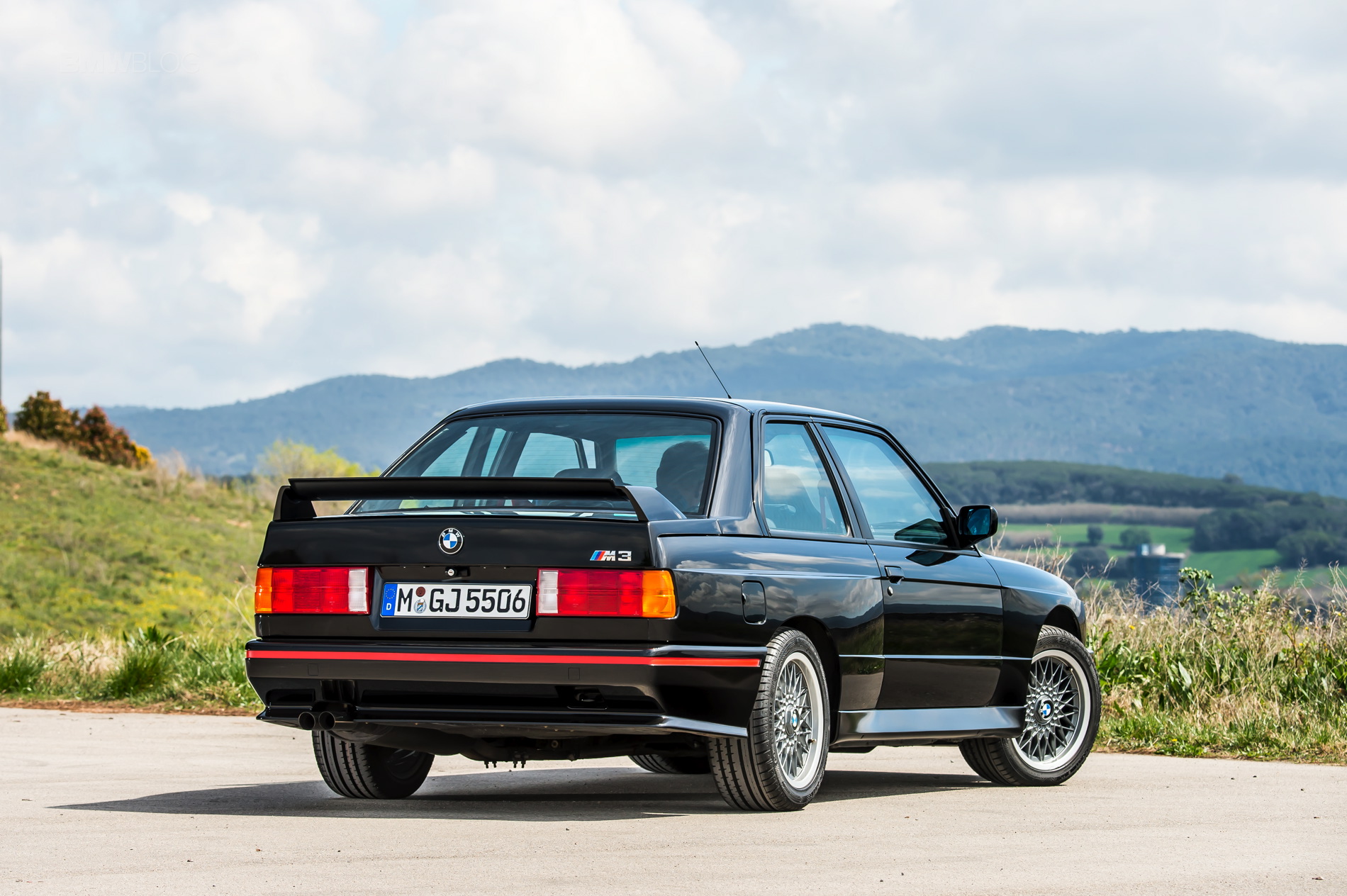
By 1990, the competitors was catching up. The unique M3 had dominated for years, however laws have been evolving and rivals have been changing into aggressive. BMW M’s reply was the Sport Evolution—the ultimate and strongest E30 M3 variant. With the two.5-liter engine producing 238 hp, adjustable entrance aprons, and a one-piece racing seat, the Sport Evolution gave the E30 M3 an edge in opposition to its rivals.
Solely 600 examples have been constructed earlier than the manufacturing cycle led to 1991, making the Sport Evolution the rarest and most coveted E30 M3 variant in the present day. It got here completely in two paint finishes—Good Pink and Shiny Black—including to its collectible standing. The Sport Evolution represented absolutely the peak of what the E30 M3 platform may ship, and house owners of those automobiles know they’ve one thing genuinely particular.
Manufacturing Timeline
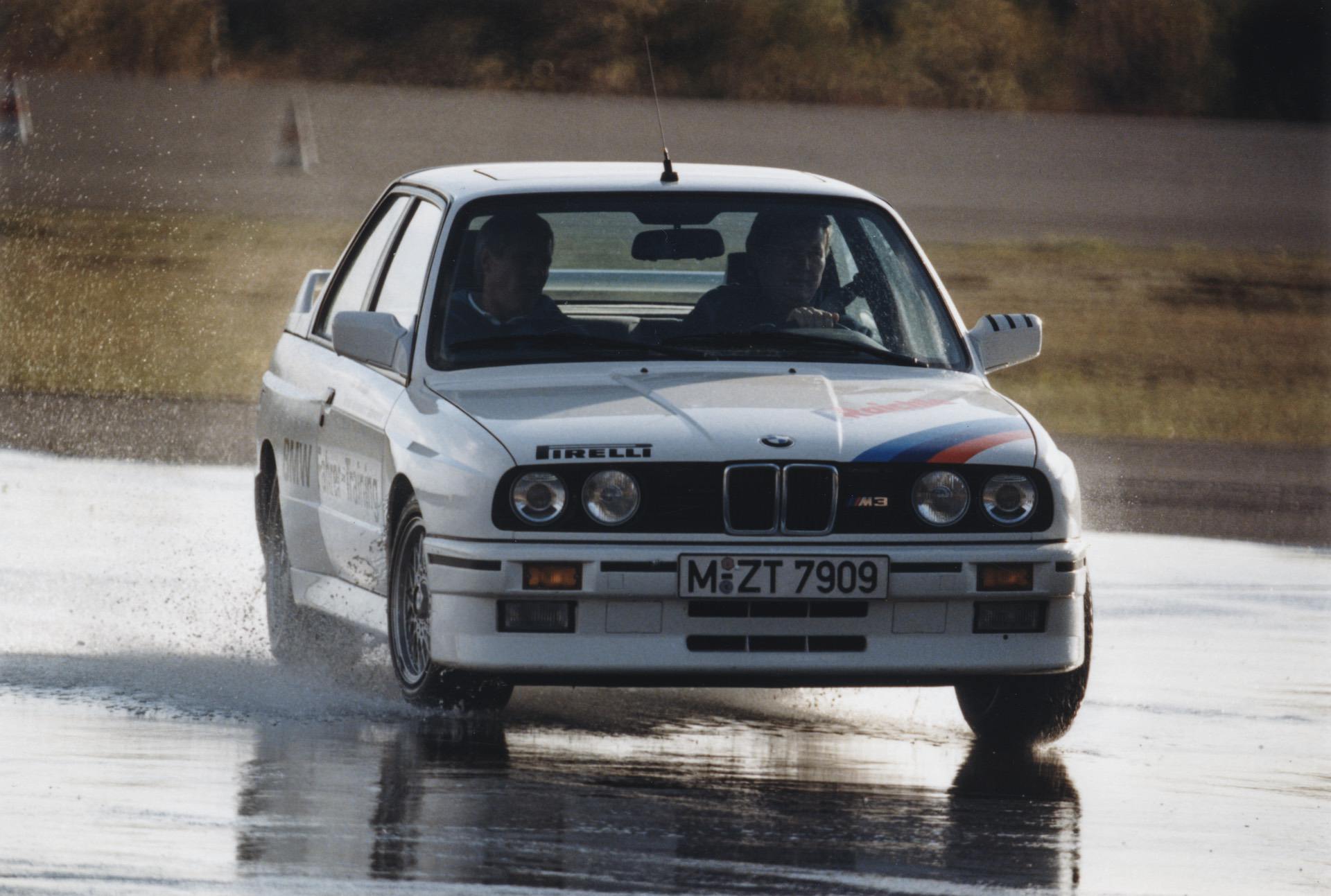
The E30 M3 stayed in manufacturing from 1986 by means of 1991. Practically 18,000 have been constructed—sufficient to be significant, uncommon sufficient to be particular. North American automobiles solely obtained the naturally aspirated 2.3-liter variants, which actually is ok as a result of we obtained the engineering excellence anyway.
Geographic variants made issues attention-grabbing. European prospects may select between numerous energy outputs relying on 12 months and mannequin variant. Japan had totally different laws. These constraints truly added to the automotive’s character—you couldn’t spec the right M3 in every single place; each market obtained a barely totally different interpretation.
Particular editions added one other layer of collectibility. The M3 Europameister (148 items, 1988) celebrated the European Touring Automotive Championship victory and got here completely in Macao Blue, every signed by race driver Roberto Ravaglia. The M3 Cecotto (505 constructed with 215 hp) achieved comparable cult standing, with 25 particular “Ravaglia” editions amongst them.
As we speak, E30 M3s command actual cash globally. In america, well-maintained examples run $45,000 to $75,000 relying on situation, 12 months, and variant. The uncommon Sport Evolution fashions—with solely 600 constructed—push effectively previous $100,000. In Europe, costs sit round €40,000-€60,000 for traditional fashions, with Evos commanding considerably extra. These aren’t supercar costs, however they replicate real shortage and desirability, not hypothesis.
The Affect Over The Sports activities Automotive Section
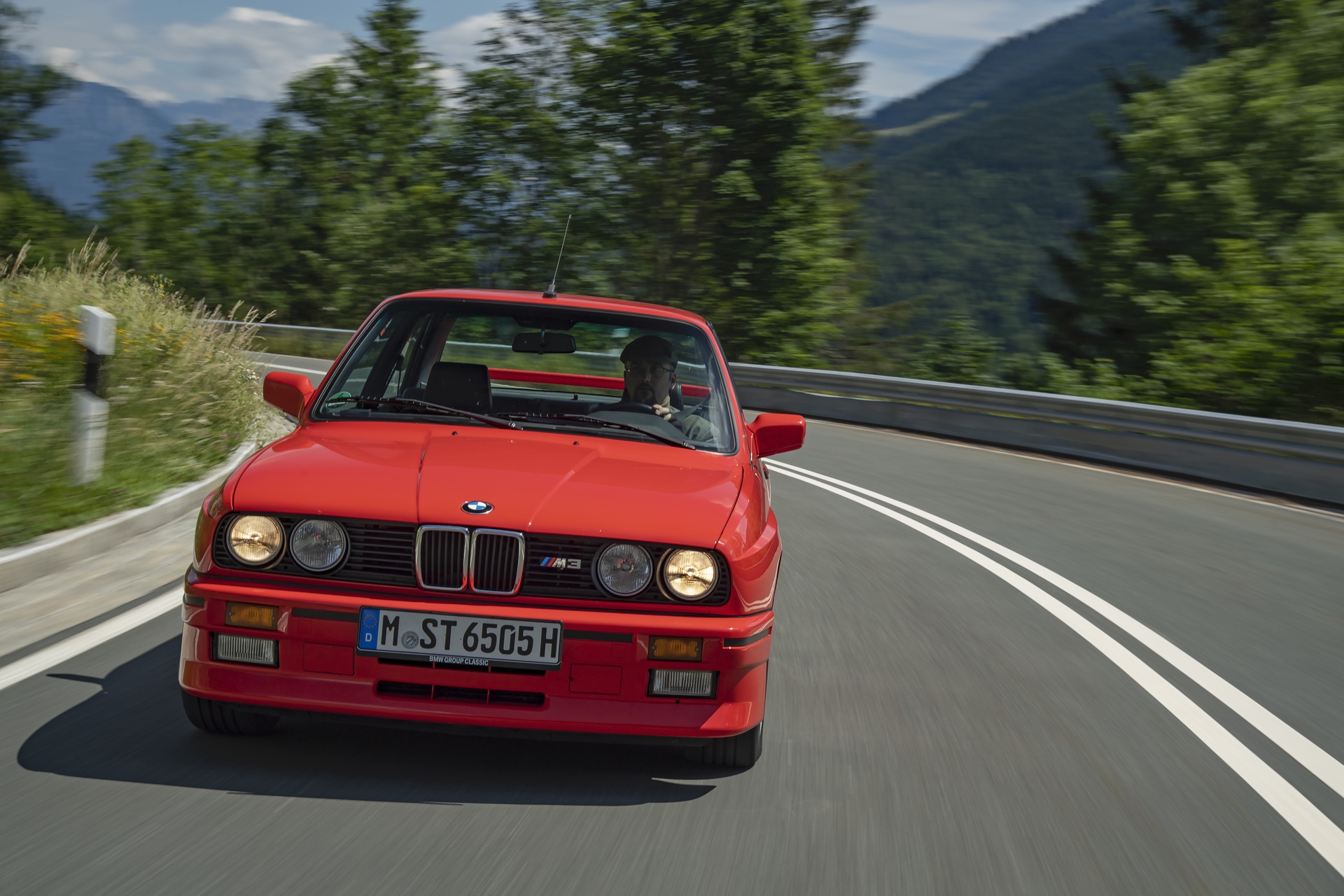
The E30 M3 compelled the whole trade to rethink what a compact sport sedan could possibly be. Earlier than 1986, these automobiles have been modified economic system sedans. The M3 proved that targeted engineering may create one thing essentially totally different.
Inside just a few years, rivals had their very own interpretations. The Audi Sport Quattro S1 E2 provided all-wheel drive and turbocharging. The Mercedes 190E 2.5-16 Evo II introduced Swabian precision. The Lancia Delta Integrale Evo was a sensible household automotive that would embarrass supercars.
But the E30 M3 remained the reference level. Its DNA influenced the 1989 Audi RS 2 Avant, the 1992 Porsche 968 Membership Sport, the 1993 Lotus Carlton. Each subsequent M automotive carried ahead what the E30 M3 had confirmed.
The Cult Standing No one Noticed Coming
Right here’s one thing that will have appeared unimaginable in 1990: the E30 M3 has turn into a cultural icon past simply automotive lovers. We’re speaking superstar collector standing. Just lately, DJ Khaled obtained one in addition to a present from Jay Z, which tells you all the things about how these automobiles at the moment are seen within the cultural mainstream. Mike Epps has one. These aren’t gear-head celebrities who occur to have E30 M3s; these are cultural figures who particularly needed this automotive due to what it represents.
The E30 M3 transcended being a automotive and have become a logo of genuine, uncompromising engineering in a world more and more stuffed with compromise. The truth that it appeals equally to automotive folks and cultural icons says one thing profound about what BMW M created.
The Kith Collaboration: When Style Met M
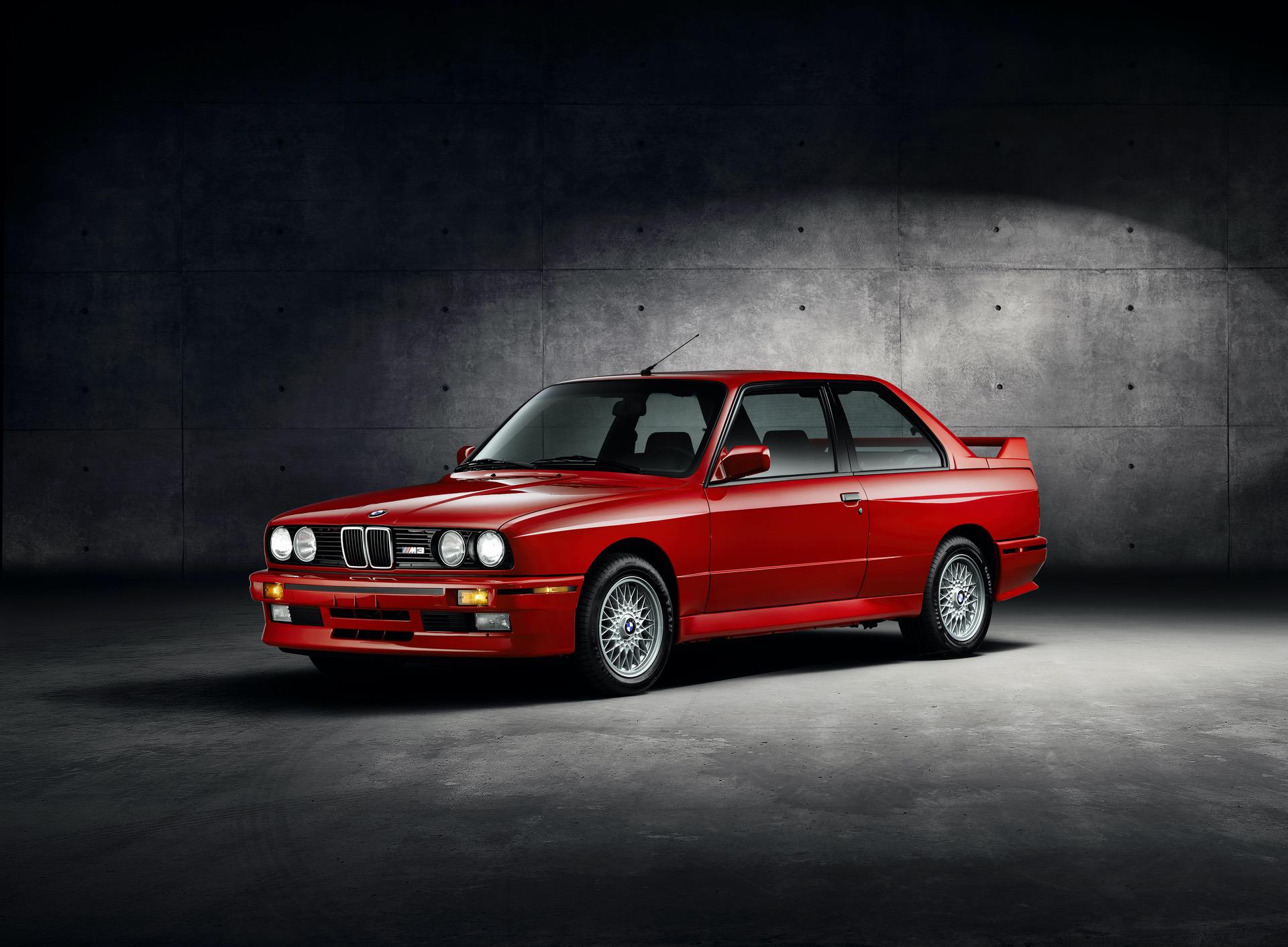
In 2021, Kith—the New York-based luxurious streetwear model—collaborated with BMW M on one thing particular: a one-off E30 M3 that blended trend sensibility with automotive engineering. It was a undertaking that would have simply veered into gimmick territory. As an alternative, it proved the E30 M3’s cultural attain had prolonged far past conventional fanatic circles.
The Kith E30 M3 was mechanically genuine—an actual, practical efficiency machine, not some art-piece recreation. Nevertheless it carried Kith’s visible language, proving that the E30 M3 was now related sufficient to collaborate with manufacturers working completely outdoors the automotive world.
That collaboration signaled one thing vital: the E30 M3 had achieved a cultural standing normally reserved for iconic sneakers or classic trend items. It was collectible not simply as a automotive however as a cultural artifact.
BMW Truly Celebrating What They Constructed
2026 marks the fortieth anniversary, and BMW isn’t letting it move quietly. The corporate is organizing correct celebrations, together with a major presence on the Goodwood Pageant of Pace—the place the E30 M3 will take a featured function within the festivities. Anticipate manufacturing facility help, historic races that includes period-correct examples, and doubtless some surprises. Goodwood celebrated the M1 correctly when its anniversary got here round; they’ll do the identical for the E30 M3 as a result of it’s genuinely vital.
Forty years later, the E30 M3 nonetheless hasn’t slowed down. And judging by what number of of those automobiles are being restored, pushed exhausting, and coveted by each lovers and cultural figures, it reveals no indicators of stopping.
