



On February 20, 2026, the U.S. Supreme Courtroom struck down a lot of the sweeping tariffs imposed underneath the Worldwide Emergency Financial Powers Act. The choice successfully voids the ten p.c “reciprocal” tariff that had been utilized broadly to imports from international locations together with Germany and Mexico
For BMW Group, and particularly for BMW within the U.S., this isn’t an summary authorized debate. It should instantly affect prices and doubtlessly even costs for customers.
And for as soon as, the maths favors Oxford and Munich.
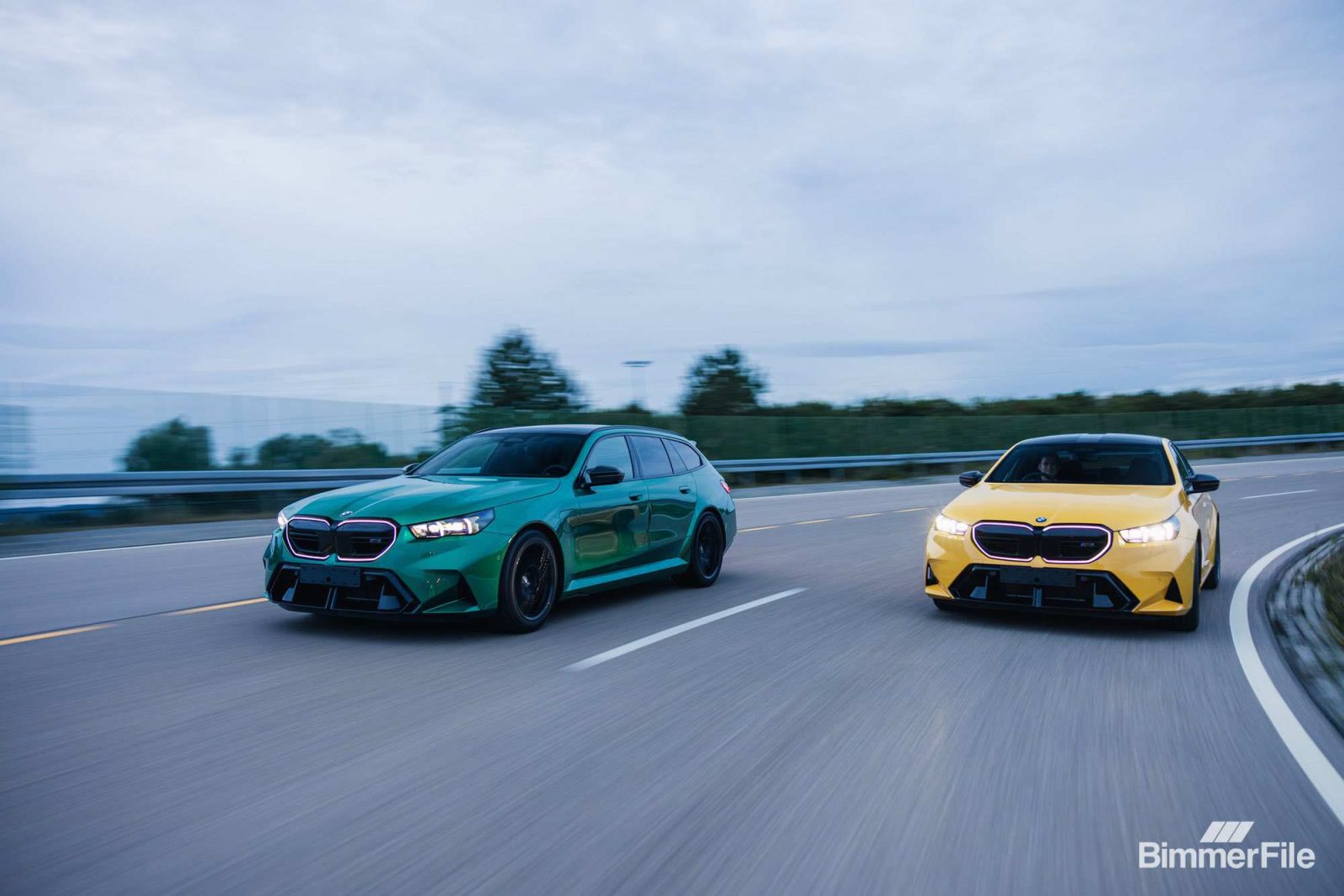
The ten % That Quietly Inflated BMW Pricing
Below the now-invalidated coverage, autos and elements imported from Germany and the UK have been topic to a ten p.c tariff layered onto their landed price.
For BMW, that instantly affected:
- 3 Sequence, 4 Sequence, 5 Sequence and seven Sequence sedans in-built Germany
- EVs just like the i4 and i7 produced in Munich and Dingolfing
- Excessive-value elements — engines, transmissions, electronics — shipped from Germany to the U.S.
On a $50,000 German-built 5 Sequence, a ten p.c tariff represents roughly $5,000 in extra price earlier than seller margin, logistics, and incentives. On a $70,000 i7, that’s $7,000 embedded within the construction.
Sure, switch pricing, foreign money hedging and inner accounting blur the precise per-unit affect. However directionally, the tariff materially raised BMW’s price base within the U.S.
And in a phase the place lease funds outline competitiveness greater than window stickers, that issues enormously.
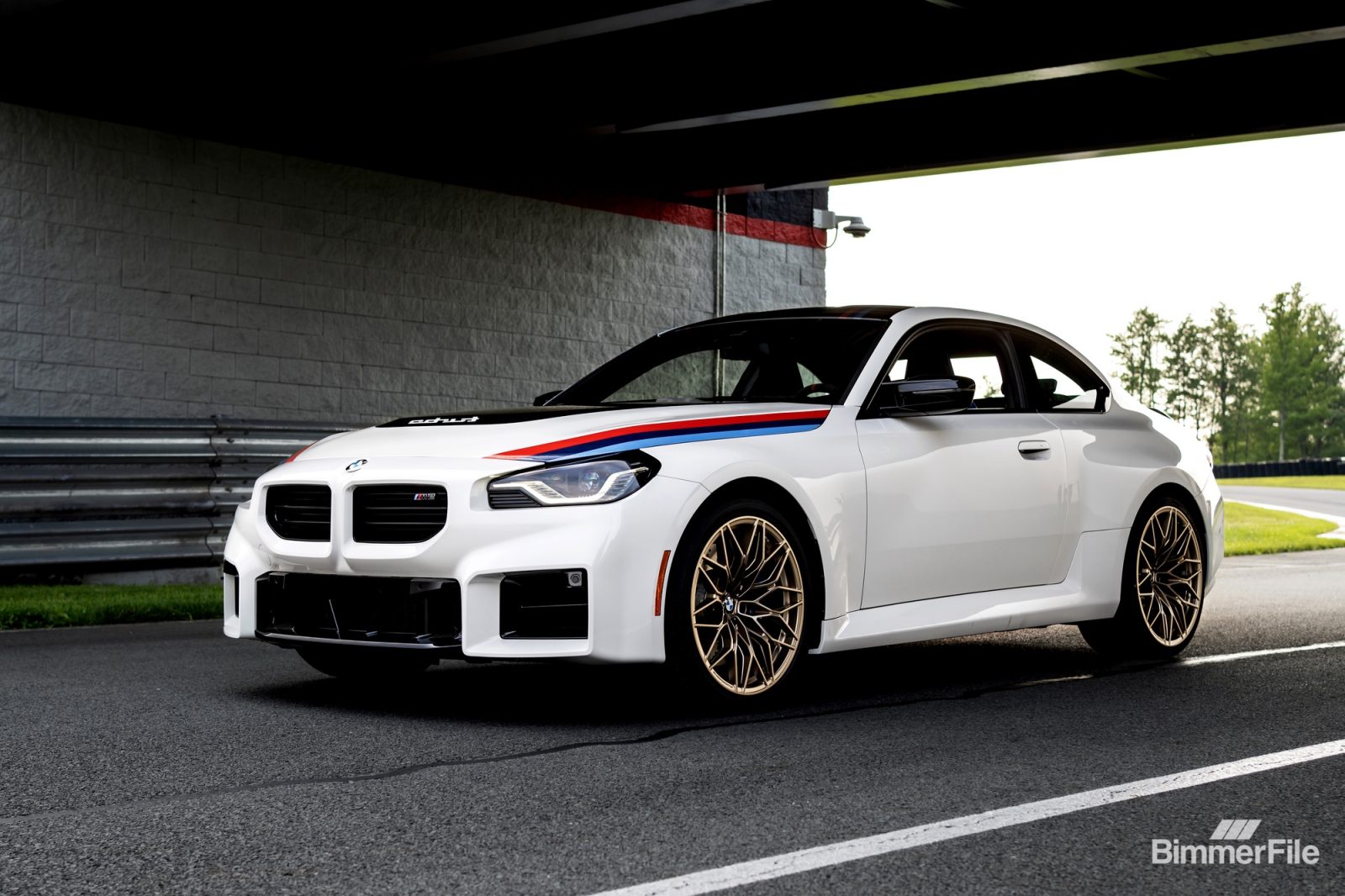
Spartanburg Wasn’t Immune
BMW’s U.S. manufacturing jewel, the Spartanburg plant in South Carolina, builds X3, X4, X5, X6, and X7 fashions for each home sale and world export. It’s regularly — and accurately — cited as one in every of America’s largest automotive exporters.
However right here’s the nuance: even American-built BMW SUVs weren’t totally insulated.
Many high-value elements originate in Germany. Engines, transmissions, and superior electronics have been topic to the identical 10 p.c tariff when imported for U.S. meeting. That price was embedded into each “Made in South Carolina” X5 or X7.
So this ruling doesn’t simply decrease the price of German-built sedans and EVs. It improves the associated fee competitiveness of Spartanburg-built SUVs as properly.
That second-order impact would be the most strategically vital. For extra on how BMW’s U.S. manufacturing footprint works, revisit this deep dive
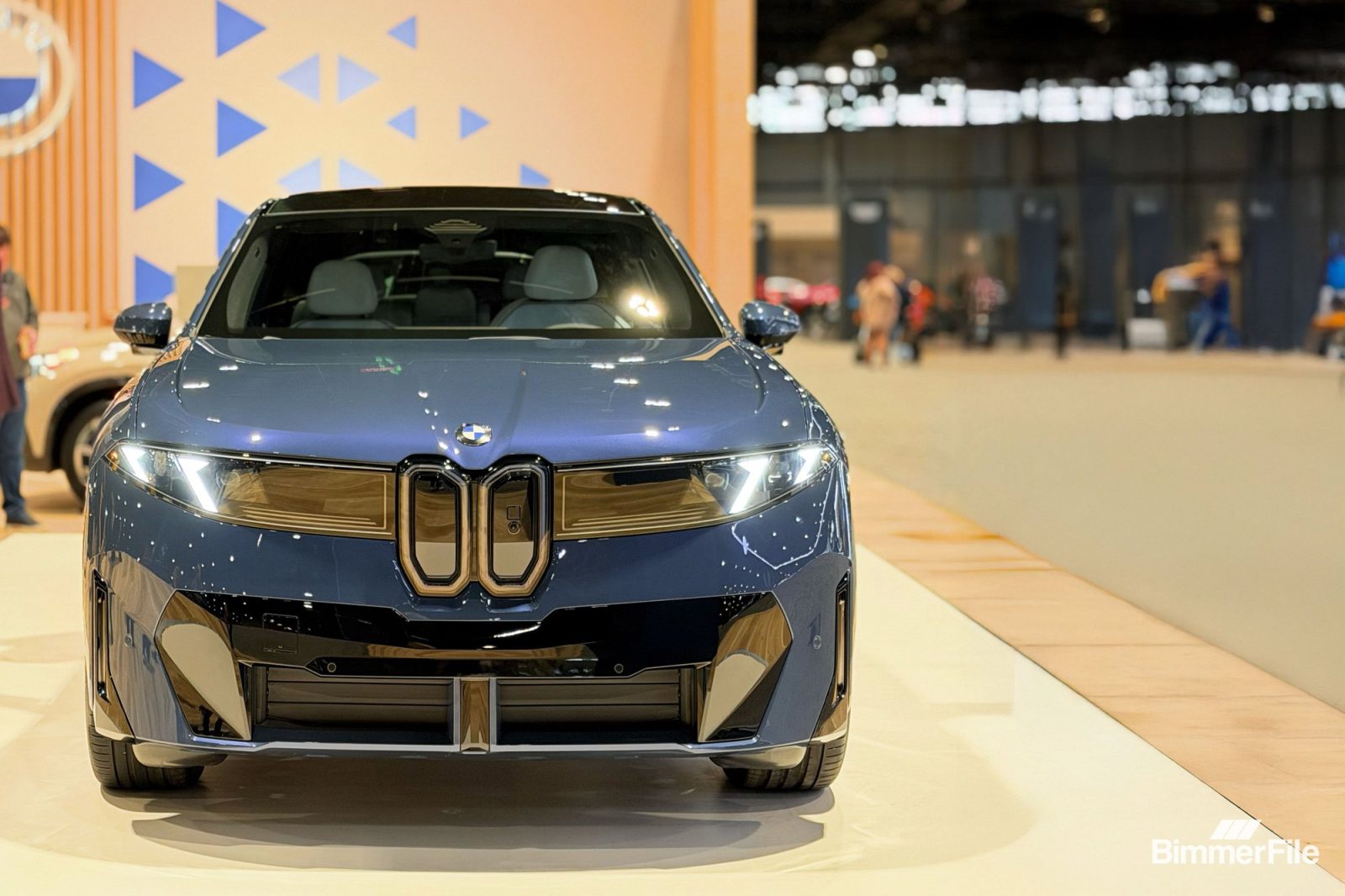
What Modifications Instantly
ith the ten p.c tariff eliminated (until reimposed underneath a unique authority), BMW Group North America positive aspects:
- Decrease landed prices on imported German-built autos
- Decreased enter prices for U.S.-assembled SUVs
- Instant gross margin growth if pricing stays secure
- Larger flexibility for lease help and incentives
Will BMW slash MSRPs in a single day? Unlikely. Automakers are usually not recognized for volunteering margin.
Extra realistically, count on:
- Sharper lease applications on 3 Sequence and 5 Sequence
- Tactical incentives in aggressive luxurious markets
- Stronger margin preservation on high-end EVs
- Extra aggressive conquest positioning versus Mercedes and Audi
In a market the place luxurious patrons are payment-sensitive and stock self-discipline is tight, margin flexibility is oxygen.
What This Does Not Do
This ruling doesn’t:
- Assure everlasting tariff immunity. Congress retains authority, and different commerce statutes stay accessible.
- Routinely drop sticker costs tomorrow.
- Clear up broader foreign money or logistics pressures.
What it does is take away a blunt 10 p.c tax that distorted BMW’s U.S. pricing calculus at a fragile second within the model’s relaunch.
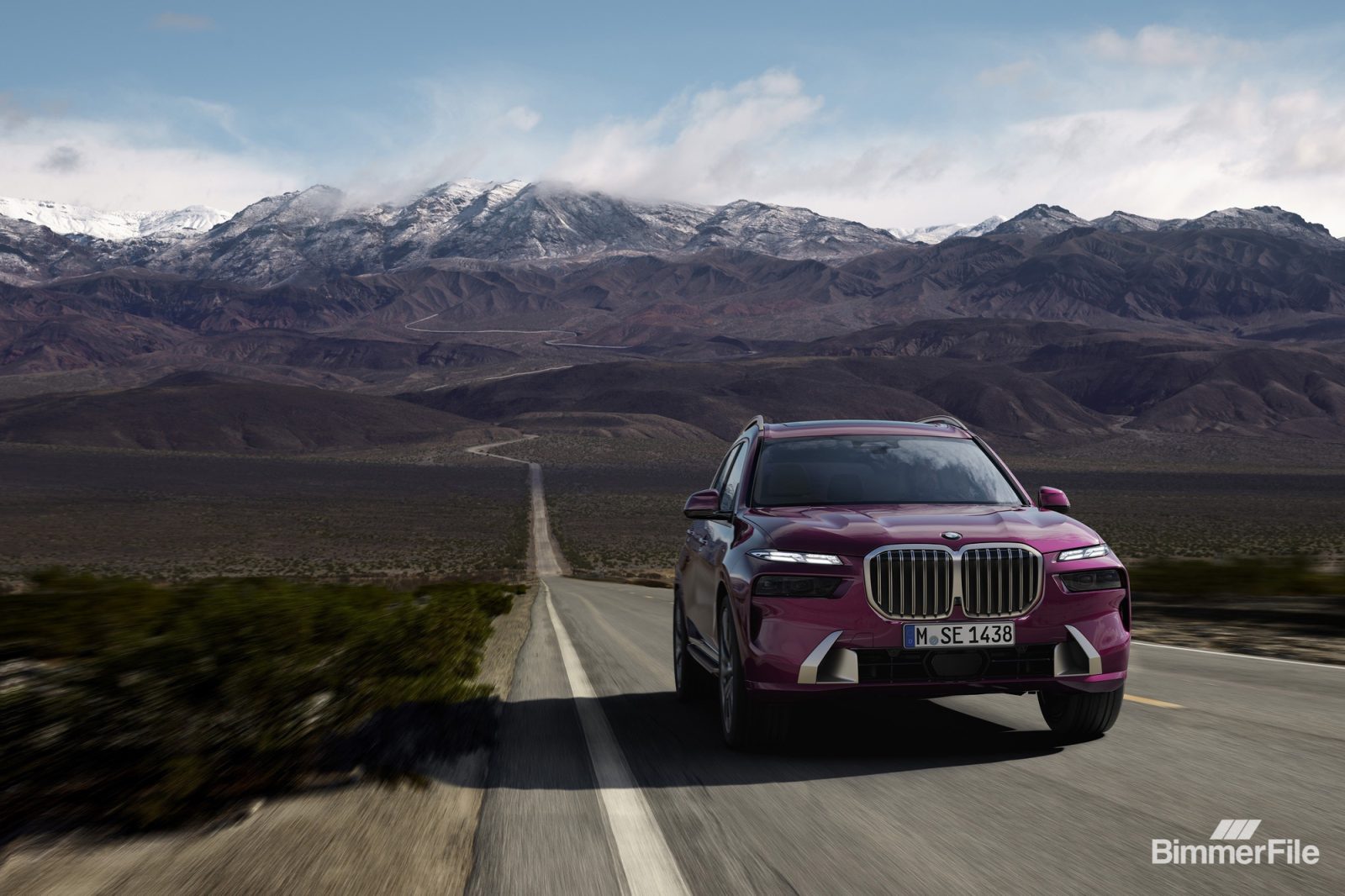
The EV Equation
Electrical autos have been particularly uncovered. German-built EVs just like the i4 and i7 carried tariff prices on high of already costly battery and know-how inputs.
Eradicating that 10 p.c friction:
- Improves EV profitability
- Reduces strain to inflate pricing
- Enhances BMW’s potential to remain aggressive as federal incentives evolve
Given tightening margins throughout the premium EV phase, this reduction comes at a strategically helpful second.
What This Doesn’t Do
This resolution:
- Doesn’t assure everlasting tariff immunity
- Doesn’t pressure BMW to decrease sticker costs tomorrow
- Doesn’t eradicate foreign money danger between the greenback and euro
- Doesn’t resolve broader commerce coverage volatility
Congress retains authority. Different statutes stay accessible. Commerce coverage, like horsepower, tends to return in several varieties.
However what this ruling does is take away a blunt 10 p.c tax that distorted BMW’s U.S. pricing calculus at a fragile second within the world auto market.
The Larger Image for BMW
BMW operates some of the globally built-in manufacturing networks within the trade. Germany feeds the U.S. The U.S. feeds the world. Elements cross oceans a number of instances earlier than changing into a completed car.
A ten p.c tariff in that ecosystem is just not a rounding error. It’s a structural inefficiency.
By eliminating it:
- Restores pricing readability
- Enhances planning predictability
- Strengthens BMW’s aggressive place towards manufacturers with heavier U.S. manufacturing footprints
- Improves profitability throughout each imported sedans and American-built SUVs
In brief, it provides Munich respiration room.
The Backside Line
For BMW in the US, the Supreme Courtroom’s resolution successfully removes a ten p.c surcharge on German-built autos and German-sourced elements. That’s significant.
It gained’t rework the luxurious market in a single day. It gained’t abruptly make a 7 Sequence cheap. Nevertheless it does restore strategic flexibility at a time when electrification, competitors, and shopper warning are all reshaping the premium phase. Within the fashionable luxurious house, notion and pricing stroll hand in hand. And typically, the distinction between “compelling” and “overpriced” is about 10 p.c.
