



At first look, BMW Group’s newest earnings announcement seems like a well-known piece of company housekeeping. Income figures, margins, and cautious steerage dominate the headlines. But beneath the spreadsheets is a deeper story in regards to the BMW model itself and the way it plans to navigate one of the disruptive durations in automotive historical past.
BMW Group reported earnings earlier than tax of greater than €10 billion for 2025, sustaining an automotive EBIT margin of roughly 7.7 % regardless of tariffs, financial uncertainty, and a quickly shifting world market. These numbers matter not just because they’re massive, however as a result of they characterize one thing uncommon in right now’s auto business: stability. For the BMW model, that stability shouldn’t be unintentional. It’s the direct results of a deliberate technique that has prioritized flexibility over dramatic pivots.
Whereas a number of rivals have rushed headlong into all-electric lineups, BMW has chosen a extra measured path. The corporate continues to speculate closely in electrical automobiles whereas concurrently refining inside combustion and hybrid powertrains. Executives typically describe this as a technology-open strategy, a phrase that sounds bureaucratic however carries a sensible which means. BMW intends to supply a number of propulsion applied sciences and permit markets, laws, and prospects to find out the tempo of the transition.
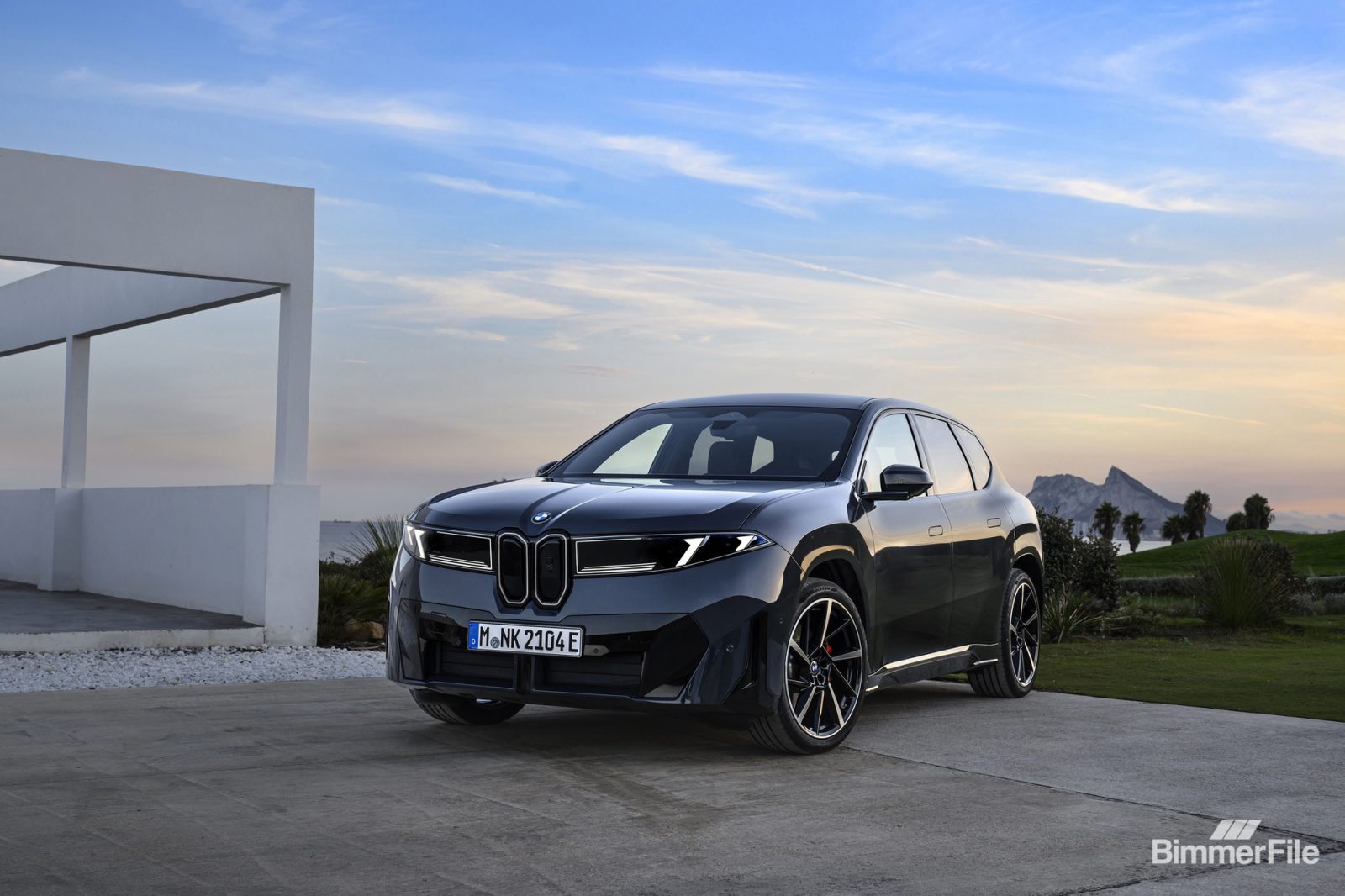
That technique has formed practically each trendy BMW product. At this time the model sells absolutely electrical fashions such because the i4 and iX alongside plug-in hybrids and conventional combustion automobiles. Quite than isolating electrical automobiles as a separate experimental department, BMW has built-in electrification into the core of its lineup. In apply, which means consumers can select an electrical drivetrain with out abandoning the design language or driving traits related to the model.
This flexibility has additionally allowed BMW to keep away from one of many greatest dangers presently dealing with the business: committing too early to a single technological consequence. Electrical car adoption is rising, however the tempo varies dramatically by area. Europe is accelerating, the US is progressing erratically, and China has develop into fiercely aggressive with home EV producers reshaping the market. A inflexible technique constructed round a single propulsion know-how can shortly develop into a legal responsibility in such an surroundings.
BMW’s strategy spreads the danger. By sustaining a number of powertrain choices, the corporate can adapt manufacturing and product combine as market situations evolve. That adaptability is turning into more and more beneficial as governments regulate emissions laws, commerce tensions reshape provide chains, and client preferences stay troublesome to foretell.
Tariffs and geopolitical strain have already begun influencing the worldwide auto business. Commerce disputes between Europe, China, and the US are affecting the economics of electrical car manufacturing and export. For BMW, which operates a world manufacturing community stretching from Germany to South Carolina and China, these pressures require fixed recalibration. A technique constructed round flexibility permits the model to shift manufacturing and sourcing extra simply than a system locked into one technological route.
Monetary self-discipline performs an equally necessary function. Sustaining a strong revenue margin whereas investing closely in electrification requires cautious value administration and an unwavering deal with scalable platforms. BMW’s Neue Klasse structure, scheduled to debut quickly, represents the following section of this technique. It’s designed particularly for electrical automobiles however incorporates classes realized from the corporate’s present multi-powertrain platforms. The aim is to mix effectivity, digital functionality, and driving dynamics in a construction that may help BMW’s subsequent technology of automobiles.
The Neue Klasse mission alerts how BMW sees the way forward for the model. Electrification will develop into more and more central, however it is going to be launched in a method that preserves the qualities which have traditionally outlined BMW. Engineers ceaselessly emphasize that electrical BMWs should nonetheless ship the exact steering, balanced chassis conduct, and driver engagement that constructed the model’s popularity. The problem is translating these attributes right into a world dominated by batteries, software program, and digital interfaces.
Design is evolving as properly. BMW’s current automobiles reveal a shift towards simplified surfaces, digital interiors, and superior person interfaces that place software program on the heart of the driving expertise. Giant curved shows, over-the-air updates, and more and more subtle driver help programs have gotten customary options. These applied sciences aren’t merely aesthetic adjustments. They replicate a broader transformation in how vehicles are engineered and skilled.
But whilst BMW embraces digitalization and electrification, the model continues to emphasise its heritage as a performance-oriented producer. The core identification constructed round driver engagement stays a guideline. This balancing act between custom and innovation defines the corporate’s technique right now.
The importance of BMW Group’s steady earnings turns into clear when seen by this lens. Monetary resilience offers the model one thing many rivals presently lack: room to maneuver. Quite than dashing merchandise to market or abandoning earlier applied sciences prematurely, BMW can develop its subsequent technology of automobiles with a level of persistence.
That persistence might show to be one of many model’s biggest strengths through the business’s present transformation. Automotive historical past is crammed with examples of corporations that chased technological revolutions too aggressively or resisted them for too lengthy. BMW’s technique makes an attempt to keep away from each extremes. It’s neither a dash towards electrification nor a cussed protection of the previous.
As an alternative, it’s a managed transition formed by engineering self-discipline, monetary stability, and a willingness to adapt because the market evolves. If the corporate’s current outcomes are any indication, that technique is working. For the BMW model, the trail ahead shouldn’t be outlined by a single breakthrough second however by a gradual sequence of calculated strikes that progressively reshape what the Final Driving Machine will imply within the electrical age.
