



For the previous decade, in-car UI has adopted a predictable path: greater screens, extra plastic, and fewer bodily controls. Immediately, Jony Ive and Marc Newson delivered a placing counterpoint. Their imaginative and prescient, revealed inside Ferrari’s first all-electric mannequin, the Luce, embraces analogue switches, steel enclosures, and screens that reply to the bodily controls round them. It’s a masterclass in restraint and precision, and it’s already sending ripples by way of the trade.
Reasonably than default to the trade’s touchscreen?heavy orthodoxy, Ive, Newson and their group LoveFrom seem like pursuing one thing subtler: a effectively?balanced mix of physicality and digital finesse. Metal and glass meet OLED, analogue dials meet configurable digital gauges, and important controls keep tactile reasonably than buried in limitless menus. The work evokes Ive’s Apple legacy, minimalist, operate?wealthy, and unmistakably tactile, however with an automotive soul. And let’s not overlook Newson’s ground-breaking Ford 032C idea (named after the Pantone shade) from 1999.


Ferrari’s Interface Philosophy: A Reminder That Much less Can Be Extra
One of many largest notes from the Luce’s reveal is how intentionally Ferrari has steered away from making the cockpit “all display screen, on a regular basis.” As an alternative, the interface group centered on clear, direct interplay: bodily buttons the place they nonetheless make sense, contextual digital suggestions the place applicable. This isn’t nearly aesthetics, it’s about retaining the driving force linked to the machine with out digital distraction, a design ethos that feels nearly analog in a world obsessive about touchscreens.
This heritage?impressed minimalist strategy really reveals one thing attention-grabbing about automotive UI design general: extra pixels don’t routinely imply a greater expertise. As an alternative, Ferrari and LoveFrom appear to be saying: high quality of interplay issues as a lot as amount of information.
One other necessary word is the form of the screens which forgo the everyday elongated or free-form heart display screen and as a substitute use an iPad-like ratio. To us, that’s a human-centered strategy that will sound like a nuance however in actuality could have an actual influence on approachability.
BMW IDrive: Highly effective, However Nonetheless Entangled In Complexity
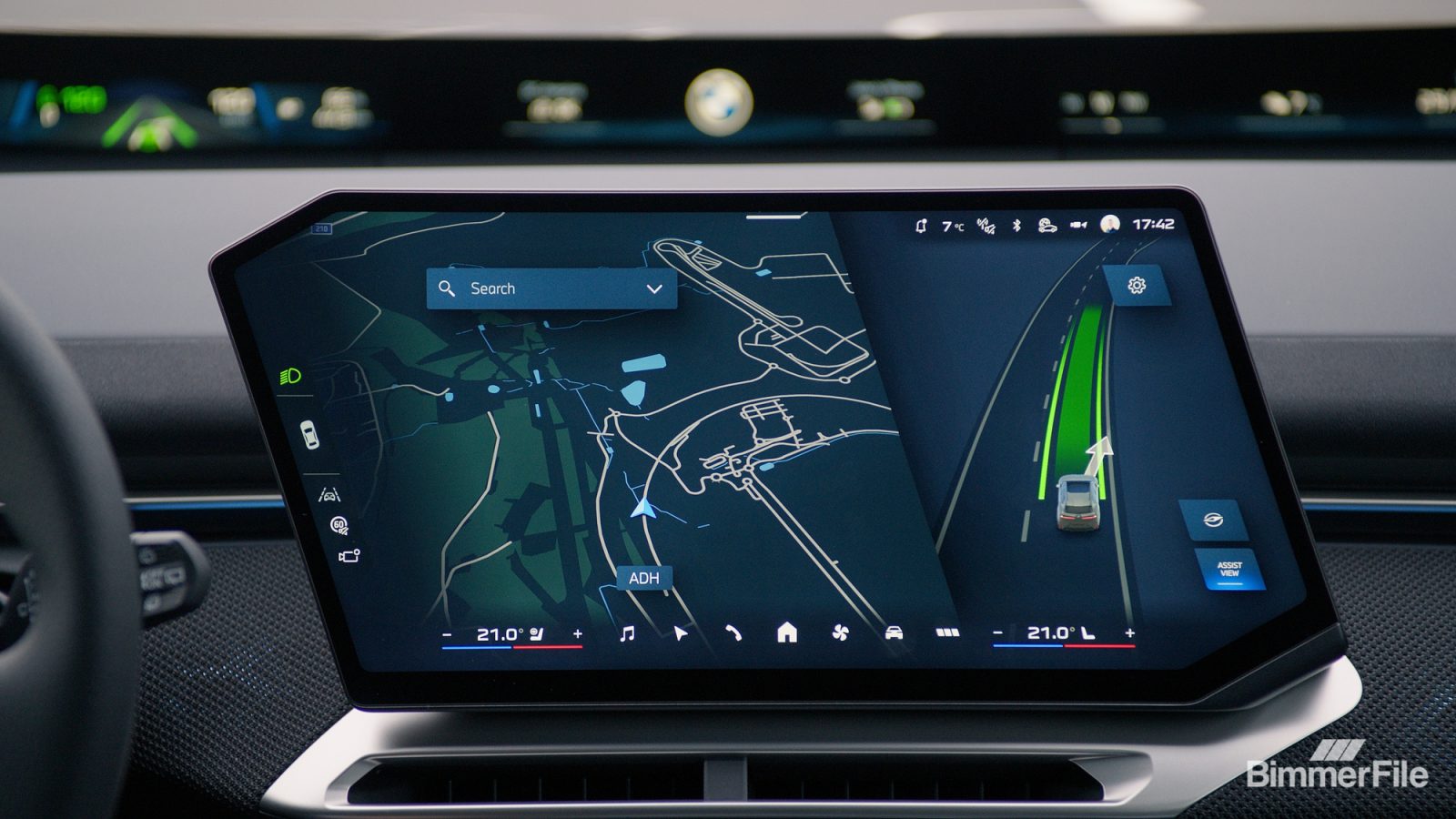
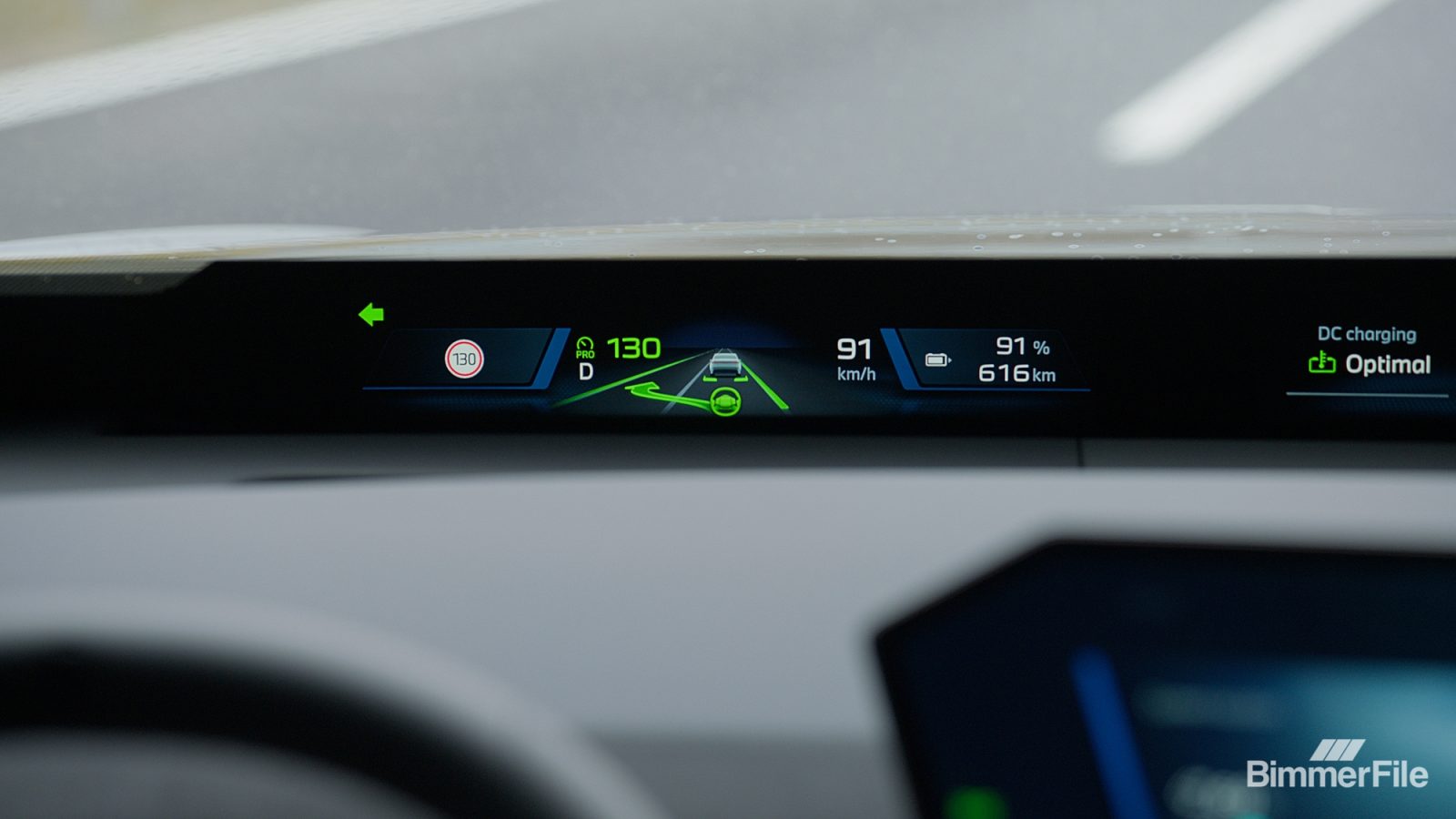
Distinction that with what BMW has been doing with the most recent iDrive, the long-standing infotainment pillar throughout the model. Initially groundbreaking, integrating controls from radio to local weather and nav right into a single united system, iDrive has developed quickly. With iDrive 8 and its successors, BMW has pushed large, daring screens and expansive performance, from giant panoramic shows to voice and gesture interfaces.
However whereas the visuals and have record are spectacular, critics and homeowners typically level out that ease of use nonetheless lags behind the promise. Menus will be deep, capabilities will be buried, and studying curves stay steeper than they must be for programs offered on premium automobiles, a reminder that intelligent tech nonetheless wants intelligent presentation to be actually pleasant.
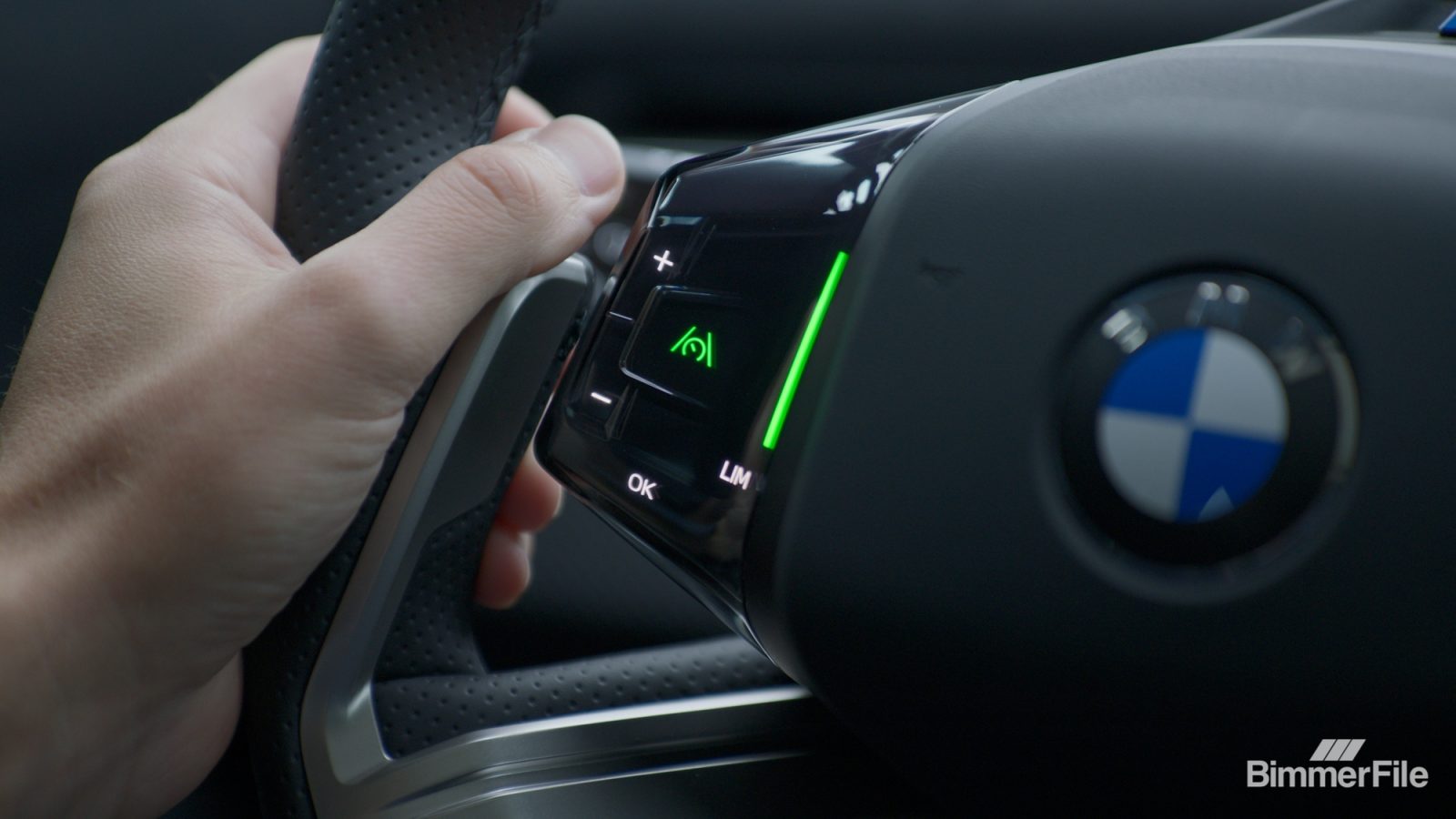
BMW’s newest iDrive is actually ground-breaking with its panoramic show. However having used the most recent launch simply this previous week, it’s nonetheless not fairly excellent. The haptic controls on the steering wheel lack the tactile high quality that you just want when navigating menus at pace and the system has extra lag than you’d anticipate given the processing energy onboard. Nonetheless anticipate it to evolve right into a market chief inside 6-12 months.


What This All Means For The Business
Ferrari’s Luce inside could really feel unique and unique, however it alerts a broader shift in how carmakers, particularly these rooted in efficiency or character, are interested by the digital cockpit. It isn’t nearly screens anymore. It’s about how digital and bodily layers coexist with out compromising driver focus, tactile suggestions, or model identification. It if sounds acquainted it’s as a result of we wrote about the very same issues this week on MotoringFile.
For BMW, that’s each a problem and a chance. BMW’s tech is highly effective, succesful, and have wealthy, however it nonetheless wrestles with complexity.
Ferrari’s collaboration with Ive and Newson reminds the trade that nice interplay design doesn’t come from piling on options, however from integrating them in a means that feels purposeful. And as automobiles turn into ever extra digital, that precept would possibly simply be an important a part of the driving expertise, whatever the badge on the hood.
