



Article Abstract
- Based in 1987 in Aachen and rooted in Schnitzer Motorsport’s racing lineage, AC Schnitzer constructed its repute on engineering self-discipline fairly than spectacle — refining BMWs with precision fairly than altering them for consideration.
- The Nineteen Nineties golden period of German tuning relied on a uncommon convergence: BMW platforms clear sufficient to be reshaped, laws that also allowed unbiased improvement, and drivers who believed a automobile leaving the manufacturing facility was solely the start of what it may turn into.
- Fashionable BMWs, ruled by closed software program methods and more and more served by manufacturing facility efficiency packages, have quietly closed the area that unbiased tuners as soon as occupied — leaving possession feeling extra full, however much less participatory.
What makes the tip of AC Schnitzer really feel so heavy is just not solely what it was on the finish, however what it as soon as represented at its top, and the way carefully that world nonetheless brushes towards my very own relationship with BMW. It doesn’t learn like a easy enterprise story, as a result of it carries the burden of one thing extra private and extra atmospheric, one thing that lives between tradition and reminiscence. It remembers a really particular Germany, one formed by autobahns that demanded composure at velocity, by quiet industrial roads, and by workshops that didn’t promote what they knew as a result of they didn’t must. For somebody who lives with these vehicles, who walks as much as one every day and understands it not as an object however as a presence, the loss feels nearer, as if one thing that has all the time been a part of the background has abruptly gone quiet.
There’s a sure rhythm that comes with proudly owning a BMW, a familiarity that builds over time with out ever changing into routine. You strategy the automobile, settle into it, and there’s all the time that transient, virtually unstated second the place every thing aligns, the place the machine feels predictable in one of the best sense, not as a result of it’s easy, however as a result of it’s coherent. Even now, in trendy vehicles formed as a lot by software program as by engineering, that feeling nonetheless exists, although it arrives extra filtered than earlier than. And perhaps that’s the reason the disappearance of an organization like AC Schnitzer carries the burden it does, as a result of it reminds you that there was a time when that feeling didn’t finish on the manufacturing facility gate, when the automobile in entrance of you was not the ultimate expression of itself, however solely the start of what it may turn into.
The Golden Period
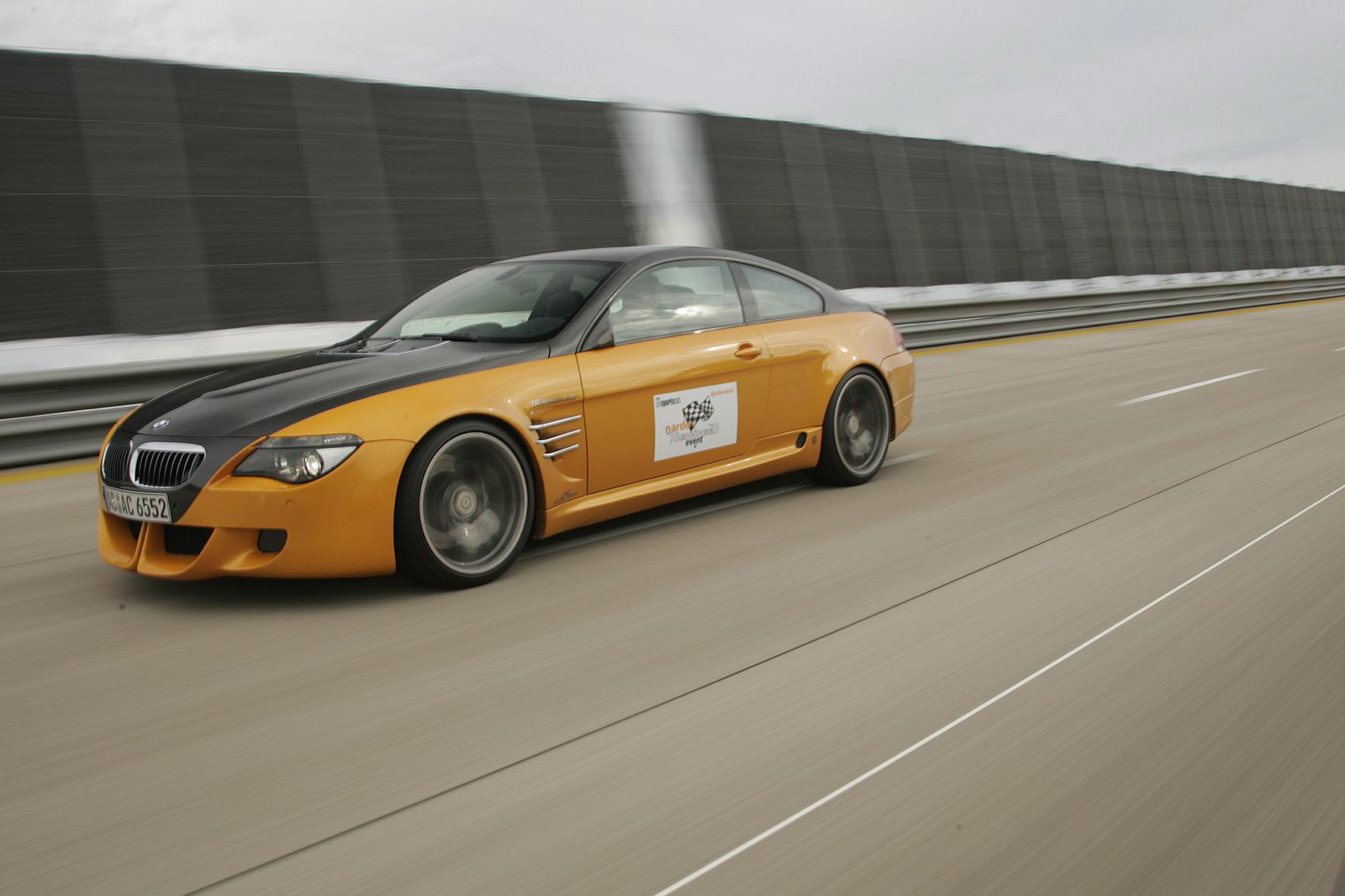
If there have been a golden period for home German tuners, it was centered on the Nineteen Nineties, although its roots stretch into the late Nineteen Eighties and its affect lingers into the early 2000s. That interval now feels virtually impossibly balanced, as if each situation required for it to exist got here collectively directly. BMW was constructing vehicles of uncommon readability and sturdiness, machines that felt full but open, superior but comprehensible. Electronics had begun to form the long run, however they’d not but sealed the automobile away from those that wished to work on it. Rules existed, however they’d not but slowed improvement into one thing heavy and distant. Most significantly, there was nonetheless a robust perception amongst drivers {that a} automobile, irrespective of how refined, was not completed when it left the manufacturing facility.
Out of that perception grew a distinctly German tuning tradition, one which feels very removed from the current. Germany didn’t produce tuners within the informal sense. It produced homes with id and philosophy. ALPINA, Hartge, and AC Schnitzer approached BMW not as one thing to be altered for consideration, however as one thing to be accomplished. The vehicles that emerged from their workshops didn’t reject their origins. They refined them. They carried the identical DNA, however expressed with higher precision, higher intent, and a form of quiet confidence that outlined the period.
AC Schnitzer: Engineering Over Spectacle

AC Schnitzer entered this world in 1987 in Aachen, drawing straight from the racing lineage of Schnitzer Motorsport, and from the start it carried a tone that set it aside. Its early work, together with the ACS7 based mostly on the E32 7 Collection and the ACS3 Sport constructed on the E30 M3, made clear that this may be an organization grounded in engineering fairly than spectacle. The modifications it launched had been hardly ever dramatic on their very own, but collectively they reworked the automobile into one thing extra resolved. Suspensions had been recalibrated with care. Energy was elevated in a means that felt built-in fairly than imposed. Aerodynamic components appeared not as ornament, however as necessity, as if they’d all the time belonged there.
Even its extra bold creations held to that self-discipline. The V8 Roadster, putting a 4.4-liter V8 into the compact Z3, may have been chaotic in lesser fingers, however right here it remained managed, virtually composed, a transparent extension of the identical philosophy taken to its periphery. Throughout many years, the corporate expanded its work, constructing hundreds of parts, refining BMWs throughout generations, and carrying its motorsport DNA into each highway vehicles and competitors, all whereas sustaining that stability between restraint and ambition that outlined one of the best of German tuning tradition.
The Automobiles That Made It Potential

That tradition relied on the character of the vehicles themselves. BMW platforms of the Nineteen Nineties, from the E30 by way of the E39, provided a uncommon form of openness. They had been refined sufficient to reward deep engineering, but clear sufficient to permit expert folks to know and reshape them with out obstruction. A tuner may work with the automobile, not towards it, adjusting its character in ways in which felt tangible and fast. This created a relationship between producer, tuner, and driver that was dynamic, virtually conversational, with every contributing to the ultimate id of the machine.
It’s this relationship that has quietly disappeared. Fashionable BMWs are, in each measurable sense, higher vehicles. They’re sooner, safer, extra succesful, extra refined. But they’re additionally extra closed, ruled by software program methods that resist intervention and by regulatory frameworks that stretch improvement into lengthy, costly cycles. By the point a tuner can convey a product to market, the second has usually handed. On the identical time, BMW itself has absorbed a lot of what tuners as soon as provided, offering efficiency packages and manufacturing facility upgrades that slender the area for unbiased interpretation.
A Completely different Form of Possession
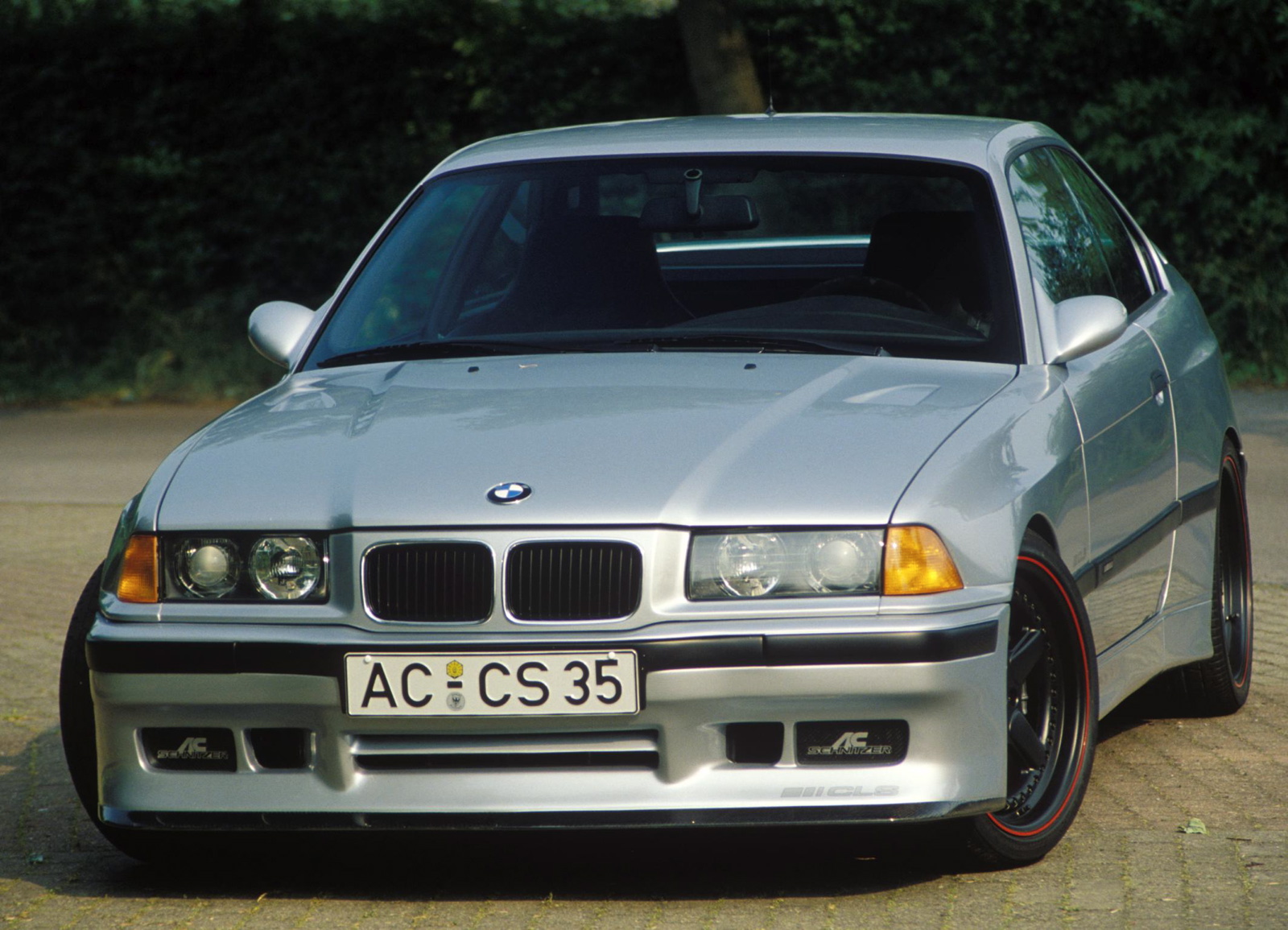
For somebody residing with a contemporary BMW, this shift is felt not as a lack of high quality, however as a change in relationship. The automobile arrives already resolved, already optimized, leaving little room to think about what it may turn into. You expertise it, you depend on it, you respect it, however you don’t form it in the identical means. The sense of participation that when outlined possession has given approach to one thing extra full, but additionally extra distant.
And that’s the reason the tip of AC Schnitzer seems like greater than it ought to. It marks the fading of that open area between what a automobile is and what it may very well be. The golden period, with the Nineteen Nineties at its middle, relied on that area. It relied on vehicles that invited understanding, on engineers who had the liberty to reinterpret them, and on drivers who cared sufficient to see the distinction. It created a quiet partnership, one which made proudly owning a BMW really feel like being a part of an ongoing course of fairly than the tip of 1.
What Stays
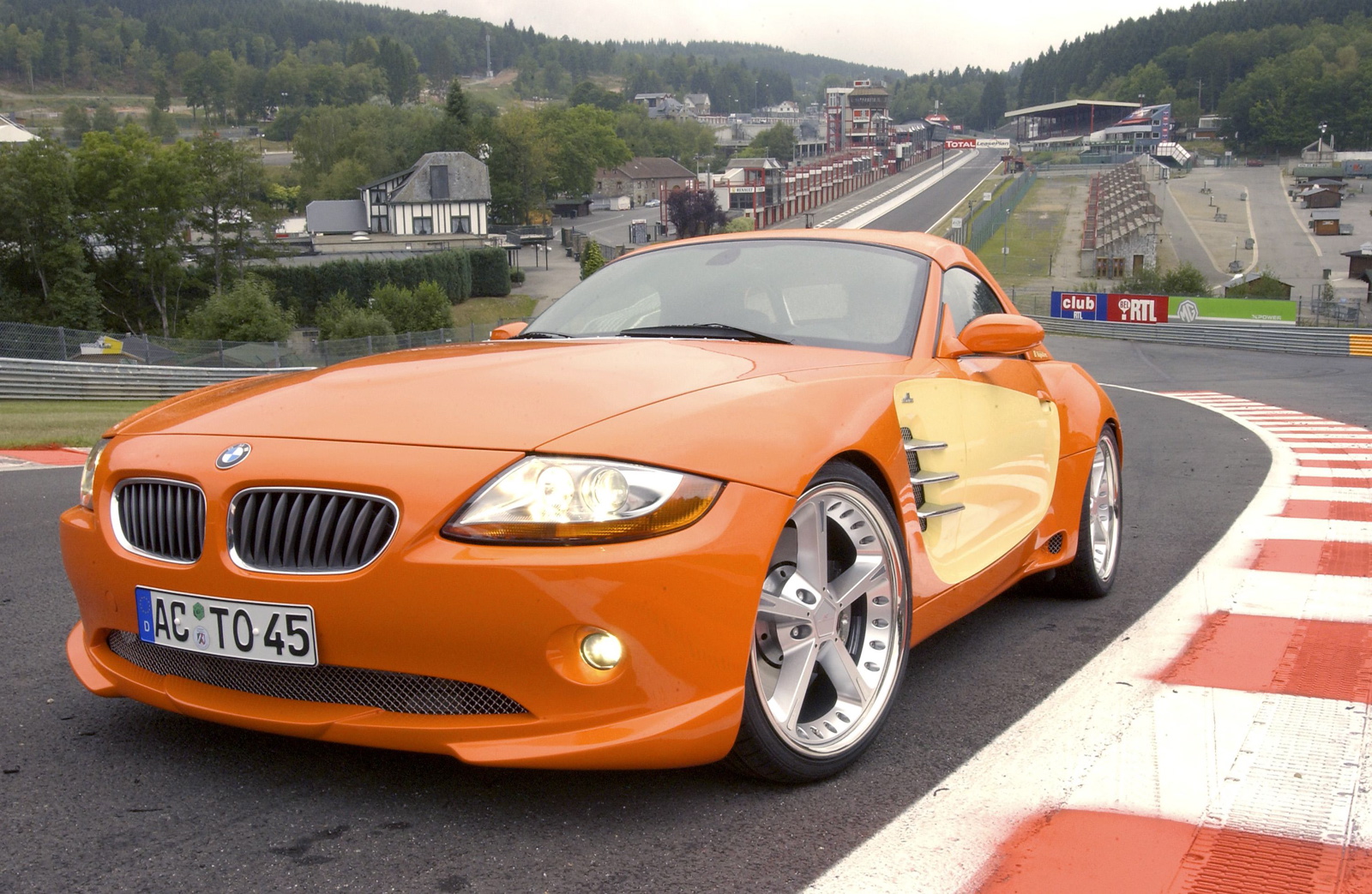
Now that partnership has thinned. The workshops have grown quiet. The vehicles have turn into extra full, extra self-contained. And but, standing subsequent to a BMW right this moment, even a contemporary one, there’s nonetheless a hint of that older concept, one thing refined however persistent. Beneath the software program, beneath the refinement, there’s nonetheless a machine with character, one thing that when invited folks to take it aside, perceive it, and make it their very own.
That’s the legacy AC Schnitzer leaves behind. Not solely a historical past of vehicles, or a catalog of elements, however a means of seeing. It taught folks to take a look at a BMW and perceive that it was not the ultimate phrase, that someplace, in a quiet nook of Germany, somebody would possibly already be imagining a greater model of it. Dropping that concept seems like shedding part of the expertise itself, a shift from a world the place vehicles had been formed by many fingers to at least one the place they arrive already full, asking much less of you, and maybe providing much less in return.
