



In case you pay attention fastidiously to Frank van Meel, you may nearly hear the gears turning. Not those in a six-speed gearbox. The company ones.
In a latest interview with Carsales.com.au, the BMW M CEO admitted he isn’t fairly positive how clients will reply to the forthcoming all-electric BMW M3. And but, within the very subsequent breath, he assures us that what they’re creating is “precisely the expertise everybody has been ready for, or ready for in a high-performance automotive.”
That’s a daring declare. Perhaps even courageous. But it surely additionally sounds a bit like somebody peering into the abyss of fanatic opinion and hoping it blinks first. Our take? We’re not so positive. And if we’re sincere, it doesn’t sound like he’s both.
The Return of Combustion (Type Of)
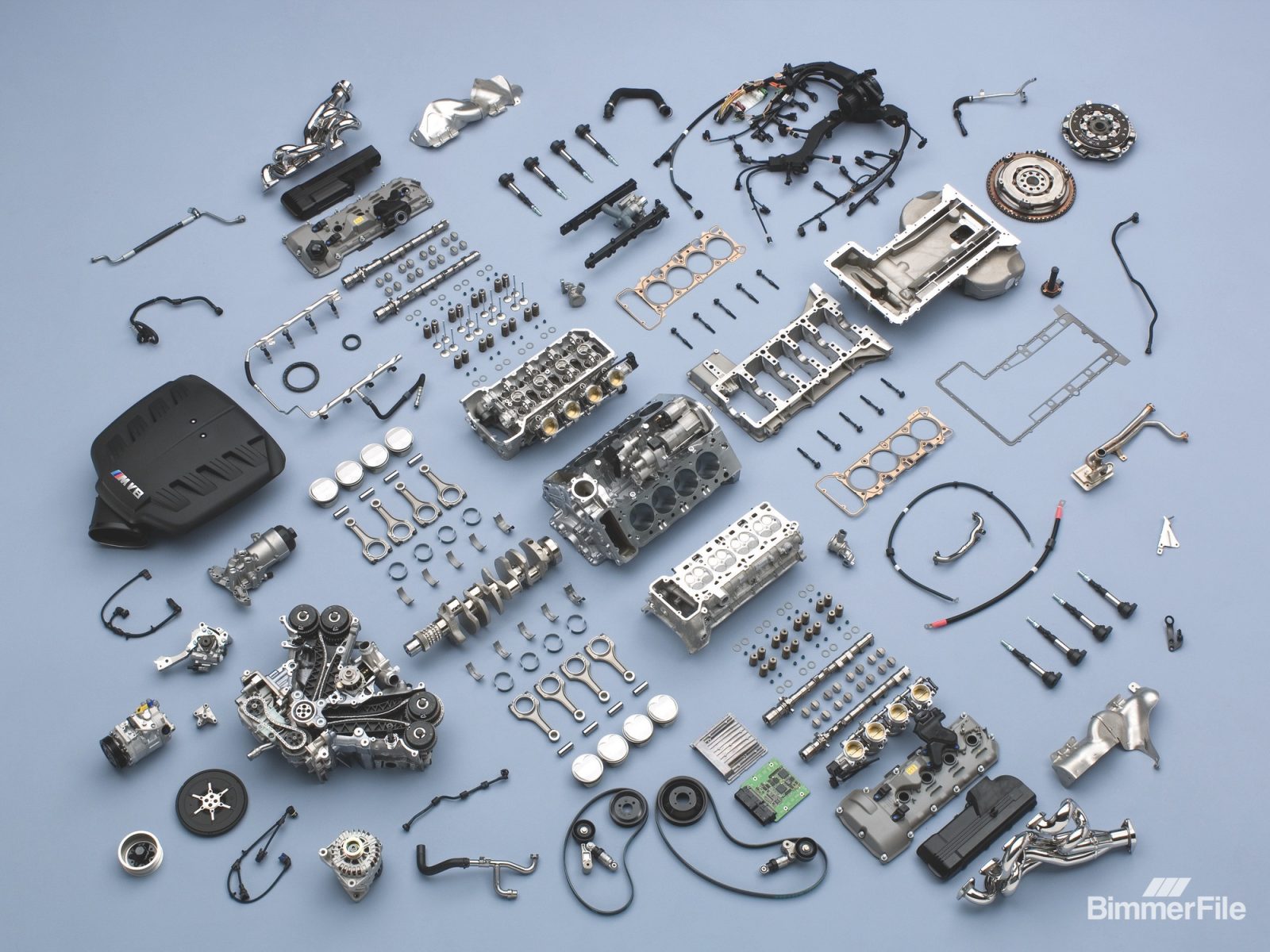
Now right here’s the half that made us sit up straighter. Van Meel pointed to latest regulatory modifications which have led to renewed funding in inside combustion engines. BMW, he stated, has an extended custom of inline-six engines, iconic, globally beloved, in addition to V8s. And crucially, there stays a “large group worldwide” not prepared for EVs, or dwelling in locations the place charging is inconvenient at greatest.
That is excellent news. Not stunning information. However excellent news. BMW’s inline-six is as a lot part of the model’s DNA as Hofmeister kinks and oversteer. Take into consideration the lineage: from the E46 to the present BMW M4, the straight-six has been the backbone of the M story. It’s clean, charismatic, and tunable in ways in which make engineers smile.
However let’s mood expectations. Don’t count on an all-new clean-sheet engine household. This isn’t a combustion renaissance. It’s iteration. Evolution of what we have already got, probably hybridized, more and more advanced, and punctiliously engineered to cross no matter emissions hurdle comes subsequent.
BMW has to do that. The section calls for it. The uncertainty round high-performance EVs on this class is actual. Prospects voting with their wallets are much more actual.

And Then… The Manuals
Right here’s the place issues go from cautiously optimistic to genuinely worrying. Van Meel acknowledged that manuals stay well-liked in sure segments. Within the U.S., roughly 50 % of BMW M2 patrons go for the six-speed. That’s not area of interest. That’s half the pie.
However the issue, we’re advised, is torque. BMW’s present six-speed is restricted to 550Nm. That ceiling restricts efficiency enhancements and successfully disqualifies it from higher-output variants like CS fashions. Sure, BMW may work with Getrag to engineer a stronger unit. However Getrag, by most accounts, doesn’t see a big sufficient market to justify the funding.
After which got here the road that landed with a uninteresting thud: “From an engineering standpoint, the guide doesn’t actually make sense as a result of it limits you in torque and in addition in gas consumption.”
But it surely looks as if a sentiment that clients aren’t frightened about given the take price of manuals within the M2 alone. Why do we’d like extra torque? At what level did the horsepower arms race change into the one metric that mattered? A guide isn’t about shaving tenths off a 0–60 time. It’s about interactivity. It’s about that second on a again street the place you select third as an alternative of second, not as a result of it’s sooner, however as a result of it feels proper.
A guide gearbox is friction. It’s rhythm. It’s the refined mechanical dialog between driver and drivetrain. Torque limits are a spec-sheet concern. Connection is a soul concern. And that’s the half that feels dangerously undervalued in these feedback.

Studying Between the Traces
Van Meel’s last remark was diplomatic, however the subtext was laborious to disregard. They’re pleased with the manuals they’ve and plan to maintain them “for the subsequent couple of years.” However for future merchandise that must adjust to more and more strict EU emissions requirements, it’s going to be tougher to maintain them alive.
When the BMW M3 and BMW M4 transition to a hybridized inline-six within the coming years, the guide probably dies with them. The identical in all probability applies to the M2. Electrification plus rising torque outputs will merely outpace what the present gearbox can deal with. And if that occurs, count on penalties.
Take a look at the MINI Cooper JCW. Roughly half its gross sales had been manuals. When the guide was dropped, gross sales fell by over 30 %. Not an ideal one-to-one comparability, however the lesson is there: take away the engagement, and a significant slice of patrons merely walks away.
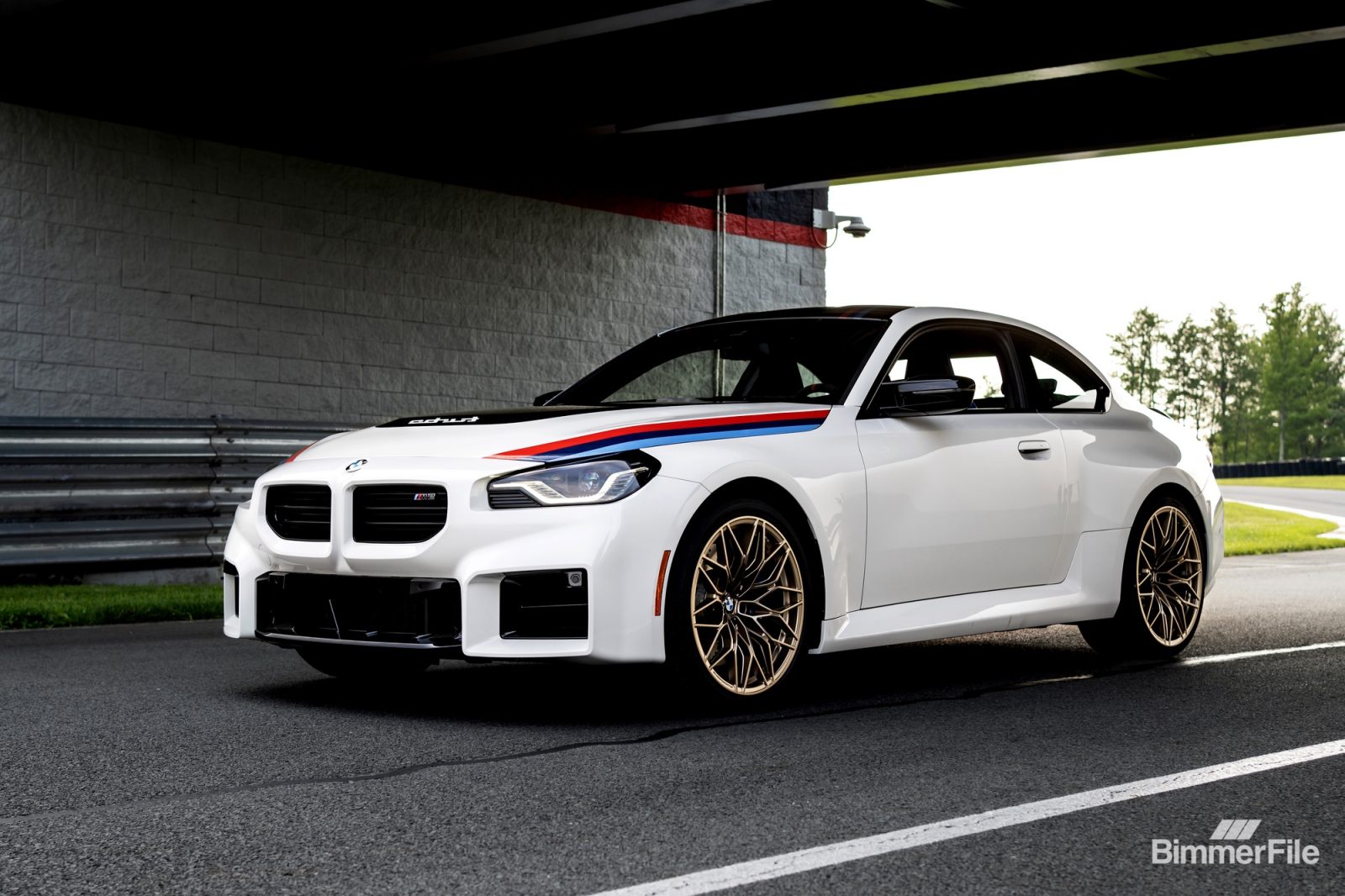
For the M2 within the U.S., dropping the guide may imply dropping half its viewers. Not in a single day. Not actually 50 %. However shut sufficient to matter.
BMW M stands at a crossroads. On one aspect: electrified torque, software-defined efficiency, and staggering acceleration figures. On the opposite: a clutch pedal and a group that also believes driving is one thing you do, not one thing the automotive optimizes for you.
If manuals disappear from M vehicles, it received’t simply be the tip of a transmission possibility. It’ll be the tip of an period, the final mechanical handshake between Munich and the fanatic who nonetheless desires to row their very own gears. And as soon as that’s gone, no quantity of instantaneous electrical torque will fairly change it.
