



Obtained it. Right here’s a clear rewrite in your voice that retains the perception, sizes and contextualizes ZF, and doesn’t reuse or echo language or construction from the final two paragraphs of your authentic notes. The conclusion is solely new.
BMW M’s Electrical Gamble Comes at an Awkward Second
BMW has spent practically seven years getting ready for Neue Klasse. Not as a mid-cycle correction or a advertising train, however as a wholesale rethinking of how the corporate builds automobiles. Structure, software program, manufacturing, efficiency philosophy. That is the longer term BMW has been aligning round with uncommon endurance and self-discipline.
Which makes the timing of BMW M’s electrical pivot particularly attention-grabbing.
As EVs have matured, they’ve additionally converged. For many consumers, electrical automobiles at the moment are outlined much less by pleasure and extra by effectivity, incentives, and day by day usability. They’re quiet, quick sufficient, more and more comparable, and more and more handled like home equipment. That actuality sits uncomfortably near a model whose efficiency division has all the time traded on emotion, suggestions, and character.
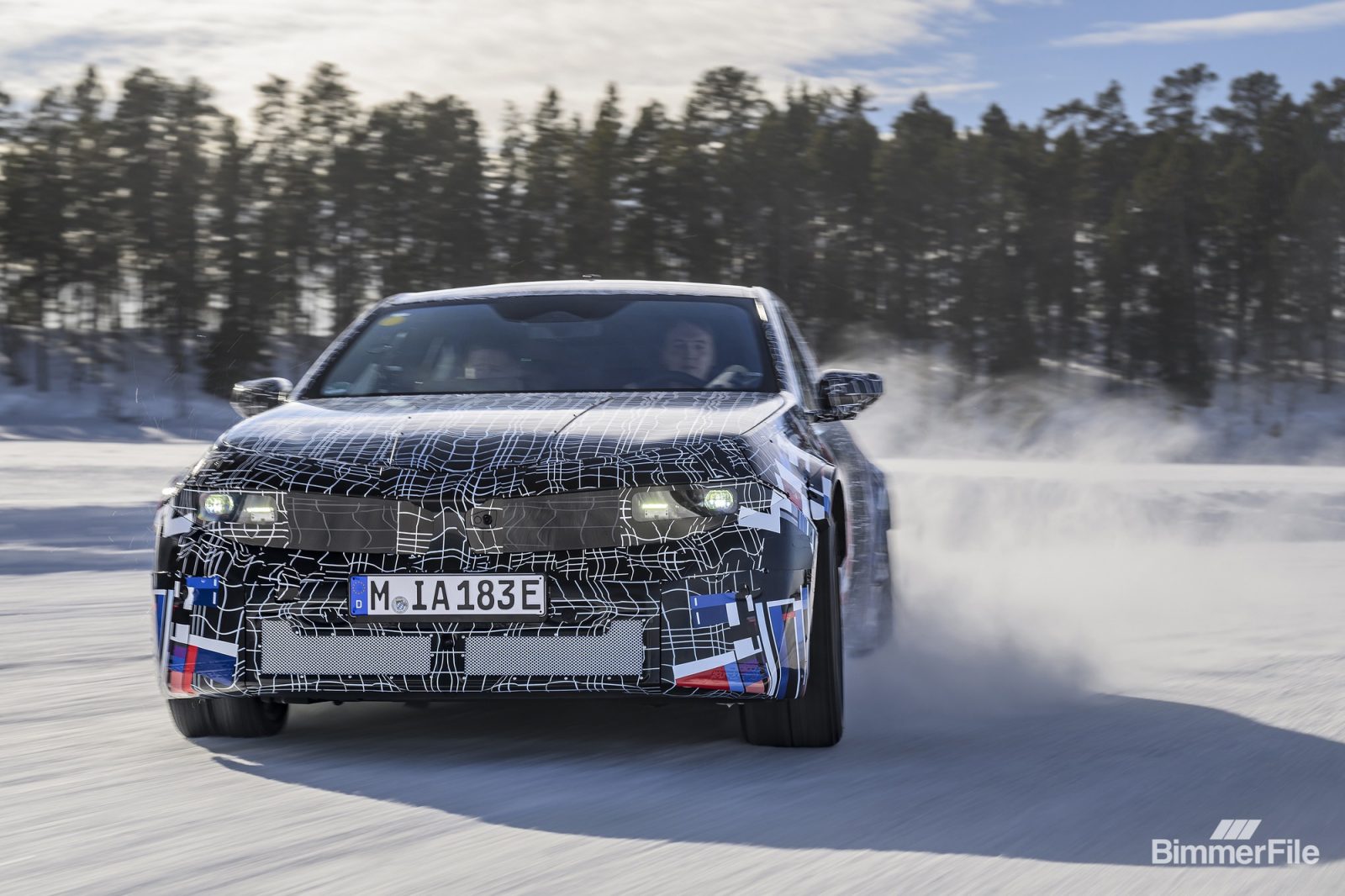
BMW lately confirmed that totally electrical M fashions will arrive from 2027, promising to translate the “Final Driving Machine” into an electrical type. The ambition is evident. The query is whether or not the market is able to meet it with something greater than well mannered curiosity.
Oliver Zipse could wish to evaluate notes with Oliver Blume, who has already seen how tough the high-performance EV dialog might be at scale via Porsche. Early enthusiasm has given approach to a extra sober actuality, the place even glorious electrical sports activities sedans wrestle to keep up momentum as soon as novelty fades.
That pressure will not be remoted to 1 model.
Final week, ZF Friedrichshafen publicly acknowledged it has agreed with automakers to terminate a number of electric-mobility tasks forward of schedule as a result of demand has didn’t ramp as anticipated. The choice carries actual weight. ZF employs roughly 160,000 individuals globally, generates over €40 billion in annual income, and sits on the middle of the European provider ecosystem. The transfer will lead to as much as €1.7 billion in restructuring and impairment expenses, pushing the corporate towards an annual loss tied on to slower EV adoption.
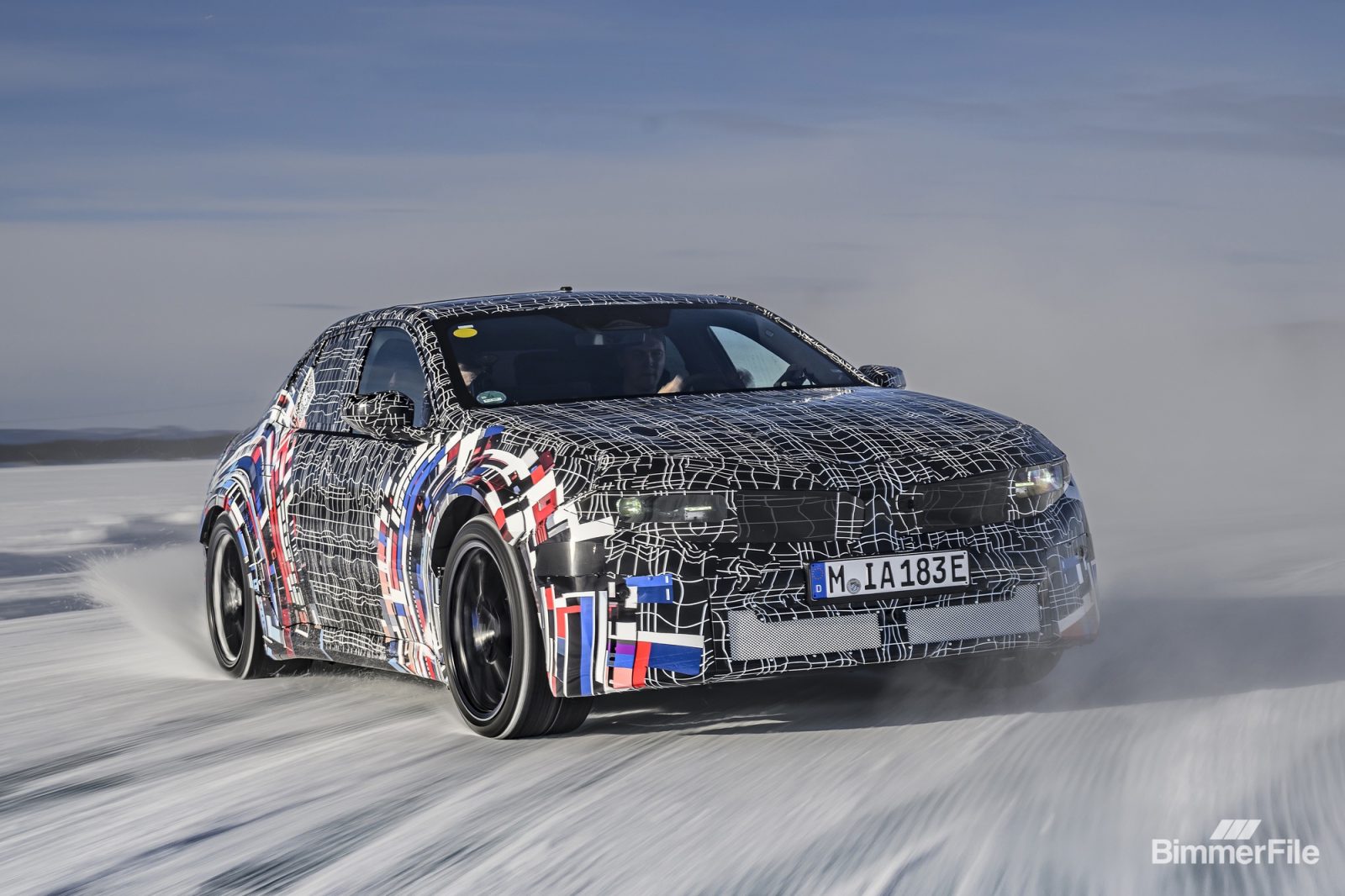
Towards that backdrop, BMW’s confidence in electrical M automobiles turns into each daring and dangerous. Neue Klasse offers BMW instruments it has by no means had earlier than: computing energy measured in orders of magnitude, electrical torque management past the bounds of combustion physics, and chassis programs able to reacting sooner than human notion. In principle, these are precisely the components wanted to redefine efficiency.
The issue is that redefining efficiency will not be the identical as redefining need.
BMW might very plausibly construct an electrical M3 that out-accelerates, out-handles, and out-performs each M automotive that got here earlier than it. It might set inside benchmarks no earlier technology might method. However technical superiority alone not ensures cultural relevance, particularly in a phase the place straight-line velocity has been commoditized.
What BMW M is basically being requested to do is more durable than going electrical. It should persuade lovers that engagement can exist with out noise, that character might be programmed with out feeling artificial, and that efficiency can nonetheless really feel private in a medium outlined by silence and sameness.
Neue Klasse will reply many questions on BMW’s future. The electrical M automotive will reply a extra uncomfortable one.
Not whether or not BMW could make an electrical efficiency automotive. However whether or not anybody will nonetheless be listening when it does.
